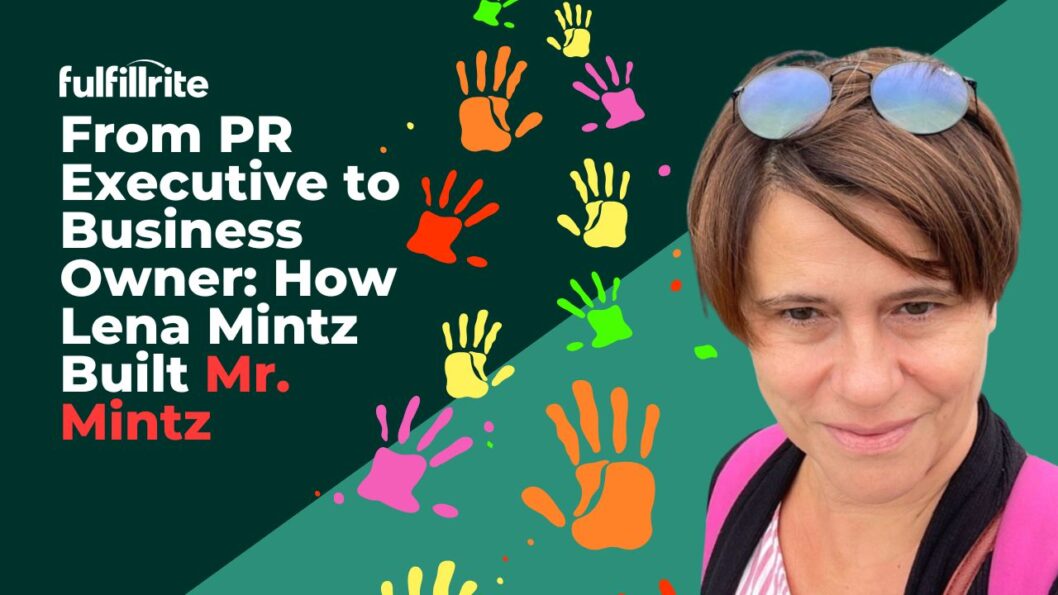
The Mr. Mintz brand sounds like it should be about a dad who creates crafts with his kids. And in a way, it is—but the business brain behind it belongs to Lena Mintz.
Lena Mintz spent her career in corporate PR and advertising at companies like Mail.Ru Group, shaping stories for C-level executives. Then she had two babies back-to-back, the pandemic hit, and when it was time to return to corporate life in 2020, something didn’t feel right. She took an Etsy workshop almost by accident, started researching digital printables, and within months launched her first products.
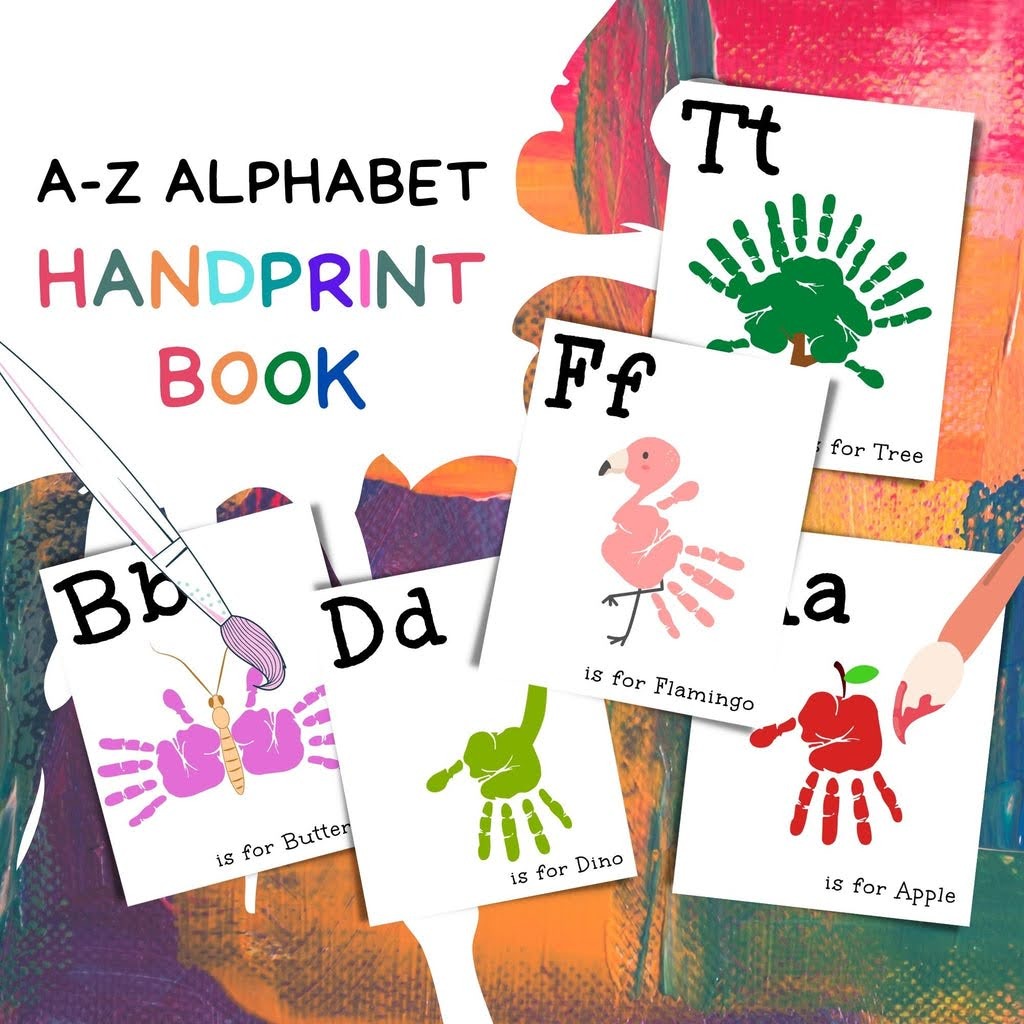
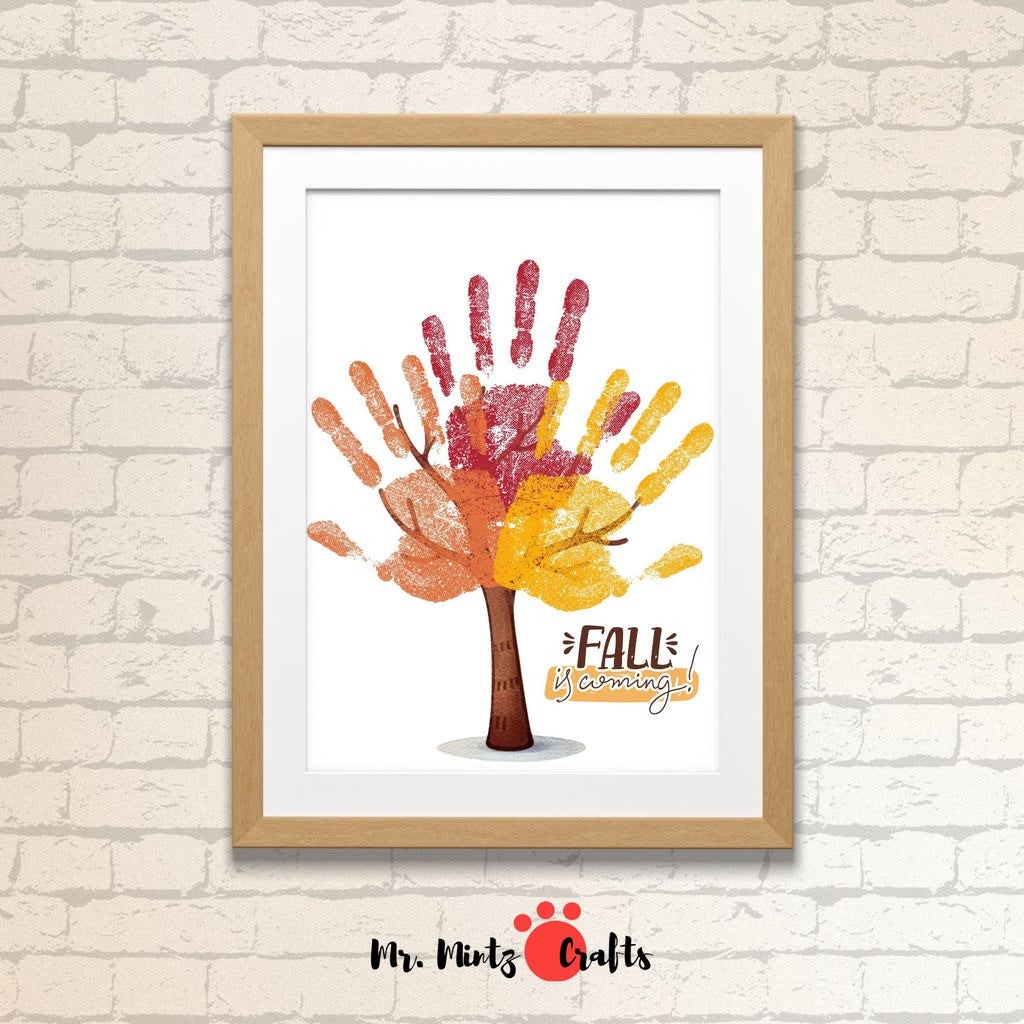
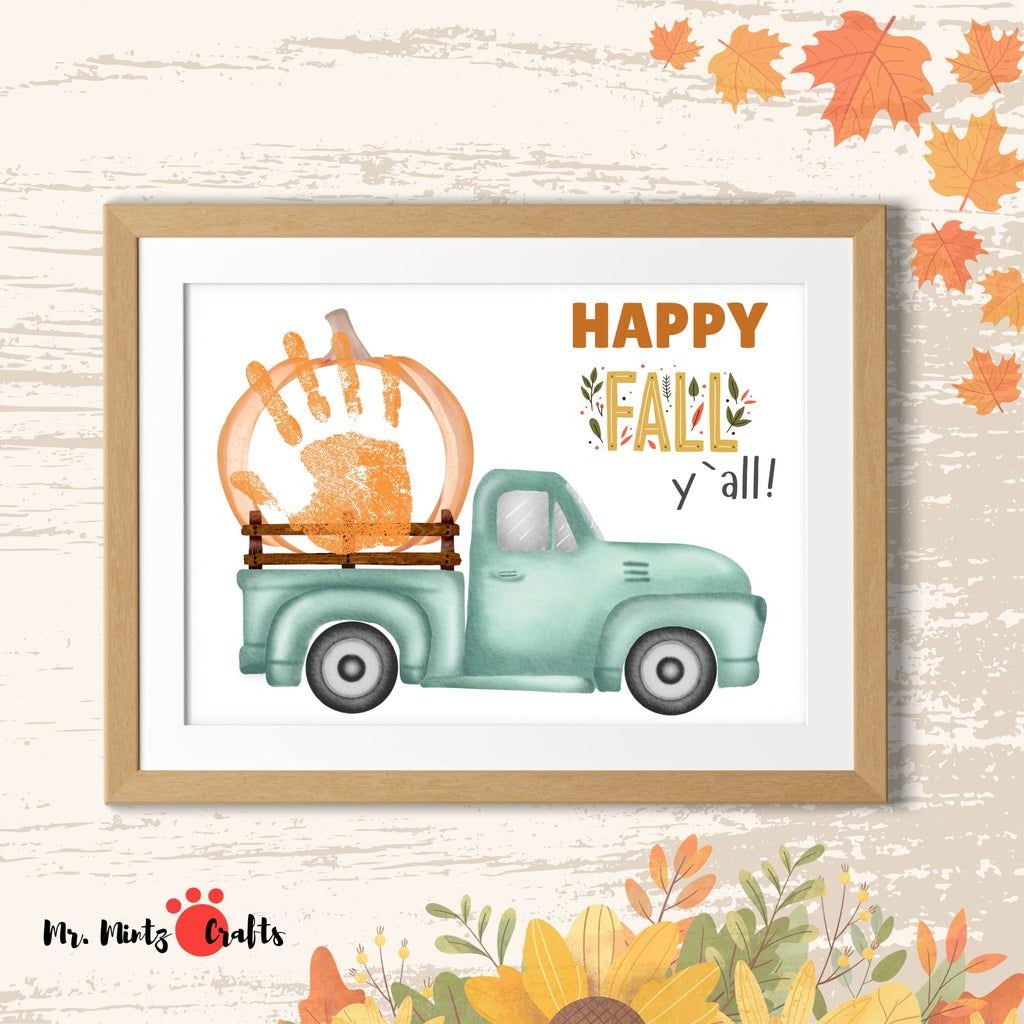
Today, Mr. Mintz serves families and teachers worldwide across Etsy, Shopify, Teachers Pay Teachers, Made By Teachers, and TES Resources. The brand has 75,000+ Facebook followers and generates over 1 million monthly Pinterest views, all of which was done organically and without so much as a dollar of advertising. They offer hundreds of printable handprint crafts, finger puppet templates, and educational activities in multiple languages.
This is the story of how a former PR executive turned a $2.99 digital printable into a multi-platform family business—and why she describes it as building a “small spaceship” that’s solid enough to keep flying even when turbulence hits.
A Family Business With a Twist
“I’ve always been the one with the business background, and my husband has always spent more time with the kids than I did,” Lena explains. “Even when I was on maternity leave from my corporate job, I didn’t exactly pause my career. I started working on consulting projects—small startups, early-stage brands—things I could do from home, in my own rhythm.”
That flexibility became essential during the pandemic when everything was uncertain. Eventually, official maternity leave ended and Lena faced a decision: return to the 9-6 corporate life or build something of their own. They chose the second option.
“I had spent my whole career behind the scenes, doing PR for C-level executives and business leaders. Always shaping someone else’s story,” Lena says. “When we began dreaming up the brand, it made perfect sense to put the dad in the spotlight. It wasn’t just cute branding. It was true to life.”
The name Mr. Mintz came easily. It felt fun, trustworthy, and it sure didn’t hurt that it was their actual last name!
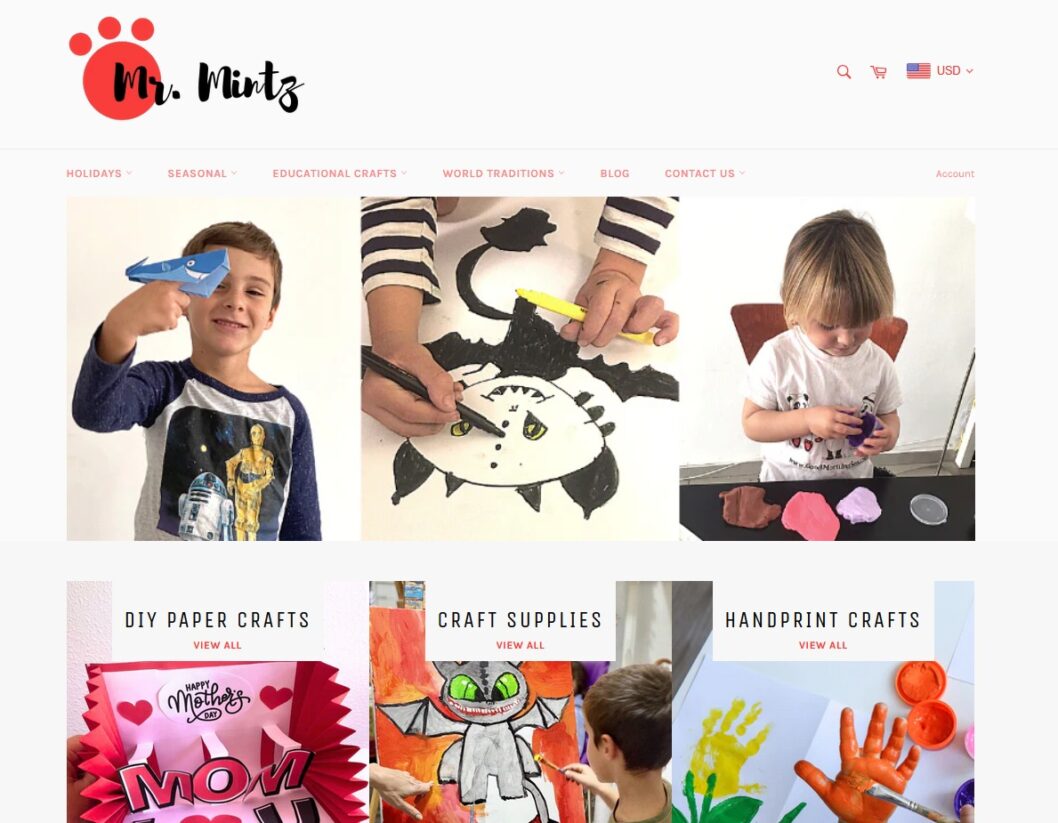
Lena creates and manages the stores, handles product development, SEO, and launch schedules. Her husband shoots and edits videos, tests crafts with the kids, and handles photography and social media visuals. Their kids are the ultimate product testers.
They’ve never worked with agencies, designers, or ad specialists. Everything has grown organically—Facebook (75K+), Pinterest (over 1M monthly views), YouTube (11K+)—all built from scratch with no ad budget.
The Accidental Entrepreneur
Lena didn’t plan to leave corporate PR. “But two things changed everything: I had two babies back-to-back, and then the world shut down.”
During maternity leave, she stayed partially active—helping startups with communications projects. But once leave officially ended, she faced a decision. She had meetings with the team she’d be rejoining. It didn’t click.
“The idea of spending my days away from the kids, away from this rhythm we had built, felt wrong,” she says. “And this was 2020—everything was uncertain. Lockdowns. School closures. No one knew what would happen next.”
Then, almost by accident, she came across a workshop on building an Etsy shop. She didn’t even know what she’d sell—she just felt a pull. She signed up, started researching, learned everything she could.
“It felt risky, but also incredibly energizing. I handed in my resignation, closed the door behind me, and gave myself full permission to try something new.”
Validating the Product & Finding the Handprint Niche
Lena’s “aha moment” wasn’t dramatic. It was methodical. She joined a seminar about dropshipping—not because she wanted that business model, but because she was searching for direction. The dropshipping model didn’t resonate, but the tools did.
“I started using eRank and other tools, just digging, exploring, narrowing down,” Lena says. “I wasn’t brainstorming ideas out of thin air—I was sifting through data.”
Then she came across the handprint niche. “I had no idea how strong the demand was until I saw the numbers. I thought, wait a second… this isn’t just a cute idea. This is a real, emotional product that parents are actively searching for.”
She focused on long-tail keywords, testing smaller sub-niches like custom versions, specific holidays, different languages. The first real sale came surprisingly quickly. One product turned into ten, then fifty.
The Multi-Platform Strategy, or “Building a Small Spaceship”
Mr. Mintz started on Etsy. “It’s uniquely beginner-friendly. You can open a shop, upload a few listings, and get your first sales surprisingly fast, even without a social media following or a budget.”
Shopify came next, growing slowly. “Unlike Etsy, there’s no built-in audience, no marketplace search. You have to drive the traffic yourself.” Now their traffic is consistent—split about 50/50 between Pinterest and organic Google search.
The decision to expand to Teachers Pay Teachers, Made By Teachers, and TES wasn’t about chasing revenue—it was about reducing risk.
“Etsy’s algorithm can be unpredictable. One month a product is your best seller, the next it’s buried—even if demand hasn’t changed,” Lena says. “So for me, it made more sense to reuse the assets we already had and upload them to multiple marketplaces. One platform dips, another might rise.”
Some people say she’s spreading herself too thin. But Lena chose this approach of diversifying channels deliberately.
“I like to think of it as building a small spaceship—not the fastest, maybe not the sleekest, but one that’s solid enough to get off the ground and keep flying, even when turbulence hits.”
Why The $2.99 Pricing Strategy Works
Digital printables seem simple to price because there’s no inventory and no shipping. But the reality is complex.
“The first layer is fees,” Lena explains. “Etsy takes a cut for just about everything—listing fees, transaction fees, payment processing. While 20 cents per listing doesn’t sound like much, it adds up quickly when you’re running hundreds of active listings.”
Pennies add up a lot when you’re selling a $2.99 product. It doesn’t leave much breathing room.
“The second layer is scale. These products are priced low, so success relies on volume. You need to sell a lot—and have a lot—to make meaningful income.”
Then there’s competition. Lena uses eRank to analyze what other creators charge. Some sellers price crafts at $1.00, but between fees and taxes, they’re walking away with pennies.
“It’s not sustainable, and frankly, it’s not really a business model—it’s more like sabotage.”
Pricing comes down to a balance between platform math and customer perception—finding that sweet spot where the product is attractive, affordable, and still worth the effort.
Protecting Intellectual Property
“In the niche I work in, it’s incredibly hard to create something so unique that it could be properly protected,” Lena admits. “Most printable crafts are simple, affordable, and easy to replicate with just a few tweaks.”
Legal protection is often not worth the effort. Even when you spot blatant copying, lawyer costs almost always exceed the product’s value.
“We’re currently in the process of trademarking our brand, Mr. Mintz, and that’s really the only thing we can protect for now.”
The rise of AI design tools made it trickier. “Before, you had to run ahead of your competitors. Now, you have to fly. But I’ve accepted that as part of the game. You can’t build a business by constantly looking over your shoulder. You just stay one step ahead—create better, create faster, and keep innovating.”
There are bright spots. On their own site, parents buying for multiple kids sometimes manually increase the quantity, allowing you to choose two or three licenses without being prompted.
“It’s rare, but it happens, and every time it does, I smile. It’s a reminder that people do value creative work.”
Another way they protect what they do is through customization. “We once got a message asking us to add a mustache to our firefighter craft. Another time, a customer asked us to replace a spotted cow with a brown one—because their dad is a farmer. They wanted the gift to feel truly personal. And we did it. That’s not something you can steal with a screenshot.”
Listening to TikTok and Teachers
Mr. Mintz doesn’t create products based on gut feelings. They follow demand and trends.
“A couple of years ago, when we were building our Father’s Day collection, we had an amazing flow of feedback from TikTok,” Lena recalls. “We’d post a new craft idea—like a handprint for a firefighter dad—and people would immediately comment: ‘What about a musician?’ ‘Can you make one for a doctor?’ ‘My dad works in IT—can you make one for that?'”
So they did. Several of their most popular templates were born from real back-and-forth with real parents.
They also use data, including tools like eRank to see what people are searching for. But the most meaningful ideas come from conversations. “Our audience builds this catalog with us—they’re not just buyers, they’re collaborators.”
One unexpected success was their Sukkot craft. Lena saw a question in a community group about decorating a sukkah and quickly created two handprint crafts, one with Hebrew text. Posted just two weeks before the holiday, they started selling immediately across all platforms.
“For something I designed myself in a single evening, that kind of response felt like a quiet win. Sometimes, being small means being quick—and that’s a competitive advantage.”

The Multilingual Expansion
Mr. Mintz offers products in Spanish, Hebrew, Arabic, German, and Indian themes.
“I lived in Israel for a few years, so when I started Mr. Mintz, it felt natural to include Jewish holidays and symbols,” Lena explains. Living in Spain now, she sees how important bilingual resources are, especially in the U.S. where many families have Hispanic roots.
Sometimes ideas come from customers. The German versions were born because a customer messaged: “We love your products—but it’s frustrating that we can’t use them in German.” So they worked with a native speaker to adapt the designs.
“Multilingual crafts help children connect with their heritage—or learn about others. And that’s something we deeply care about: making every child feel seen, no matter what language they speak or what traditions they celebrate at home.”
Final Thoughts On A Spaceship Still Being Built
Like so many creative companies, Mr. Mintz has more ideas than time. They’re exploring ways to launch a subscription with exclusive printables. TikTok is untapped. The Pinterest audience is there, they just need to catch up. The question is: what should happen next?
The website was restructured this summer to be more Google-friendly. Step two is preparing for AI-driven discovery, which means rethinking content structure and how their work surfaces in AI tools.
“It’s a whole new frontier, and I believe that’s where the next big wave of growth will come from.”
Her advice for aspiring digital product creators: “You don’t need ten products, or a big launch, or even a perfect idea. You just need something that feels right to you and the courage to publish it. Sometimes you think it’s a great idea, and it flops. Sometimes you post something simple—and it takes off. You can’t know until you try.”
She emphasizes that you don’t have to quit your job or hire experts. “Any business—especially digital—can start as a side project. The barriers are low, the startup costs are tiny. No storage, no shipping labels, no returns—just creativity and curiosity.”
You can explore Mr. Mintz at mr-mintz.com, browse their Etsy store, or find them on Teachers Pay Teachers.
Key Takeaways
Did you read this piece looking for tips on how to grow your own business? Here are some things that stood out to me.
Corporate skills transfer to entrepreneurship.
Lena’s PR background—shaping stories, understanding audiences, building brands—translated directly into creating Mr. Mintz. The skills that built other people’s brands became the foundation for her own.
Validation comes from data, not guessing alone.
Using eRank to research demand and competition, focusing on long-tail keywords, testing sub-niches is how Lena found the handprint niche. It was through methodical research that she got her first sale quickly.
Multi-platform presence reduces algorithm risk.
Relying on one platform is dangerous when algorithms can bury bestsellers overnight. Spreading across Etsy, Shopify, TPT, Made By Teachers, and TES creates resilience—when one platform dips, another rises.
Volume business requires pricing discipline.
At $2.99-$4.99, success depends on selling a lot. Platform fees eat into margins quickly. The math works only at scale, which is why maintaining hundreds of optimized listings becomes necessary.
IP protection is nearly impossible for simple designs.
Trademarking the brand name is feasible, but protecting individual craft designs is impractical. The defense is speed—create better and faster—plus customization that copycats won’t bother with.
Customer feedback beats trend forecasting.
TikTok comments asking for specific dad crafts led to bestsellers. The Sukkot craft designed in one evening from a Facebook group question sold immediately. Real conversations reveal demand that SEO tools miss.
Being small enables being quick.
Large companies can’t pivot as fast as a two-person kitchen table team. Designing and launching a craft in one evening, responding to customization requests, reacting to real-time feedback gives small companies the kind of agility that is a competitive advantage.