
The Ultimate Kickstarter Strategy Guide for 2025
If you’re planning a crowdfunding campaign this year, you’ll want to start with the right strategy. At GAMA Expo 2025, a board game convention for industry folks in the know, I sat in on a panel called Crowdfunding Best Practices.
The panel was absolutely stacked with experts, including: Nicole Amato from Kickstarter, Xinyuan Chen from the marketing firm Jellop, and Heather O’Neill from 9th Level Games and BackerKit. Together, they shared what’s working now, what’s changed over the years, and what creators need to know to run a successful campaign in 2025.
I took frantic notes throughout and will now do my very best to relay their advice to you. While they spoke about board games explicitly, their advice applies to nearly any product category you could crowdfund. And the simple fact is, whether you’re launching your first product or your fifth, it pays to learn from people who’ve seen hundreds of campaigns from behind the scenes.
In this post, we’ll break down ten key pieces of wisdom from that conversation. Think of it as your Kickstarter strategy guide for 2025: real talk, hard truths, and helpful insights to get your project funded—and delivered—without losing your shirt.
1. Build Your Audience First — Kickstarter Isn’t Magic
“The campaign is the fire, and promotion is the fuel — but you still need a fire.” That line from the panel says it all (and I really wish I wrote down who said it!)
Post-publication note: Turns out that Nicole said it, and was in turn quoting a prior manager, Jonathan Ritter-Roderick.
A lot of creators treat Kickstarter like it will automatically bring them an audience. It won’t. If no one knows about your product before launch, your campaign is likely to stall, no matter how good it looks.
The panelists all stressed the importance of building a community ahead of time. There are a million ways you can do that, such as through email lists, Discord servers, or other channels.
The methods you use don’t matter as much as the simple fact that you need to get people excited. Get them involved. Let them test the product.
Jellop’s Xinyuan Chen noted that when a campaign launches cold, it doesn’t matter how much ad money you throw at it. The early backers need to show up fast. That only happens if you’ve already done the work. Kickstarter works best when you treat it as a tool to monetize momentum—not create it from scratch.
2. Your Product Should Be Basically Done
One thing the panelists agreed on: your product should be close to finished before you hit launch. Backers are no longer interested in vague promises or “we’ll figure it out after funding” campaigns.
Heather O’Neill put it simply for game creators (the convention’s audience): the game needs to be done, playtested, and ready to go into production.
In the early days of Kickstarter, you could launch with a concept. That era is over. Too many products funded but never delivered, and now backers are skeptical.
Nicole Amato — who works directly for Kickstarter — pointed out that today’s backers expect clear timelines, proof of development, and evidence that you’ve thought through manufacturing and logistics. They don’t want to hear, “You’ll get it in 2027.” They want something closer to reality—and they want transparency if timelines slip.
If you’re not done yet, that’s fine—but wait until you are. Otherwise, you risk losing trust—and your funding.
3. Set a Realistic Funding Goal, Then Fund Fast
You want your campaign to fund early—but not by setting a goal so low it sinks you. All three panelists emphasized that underpricing your goal just to game Kickstarter’s algorithm is a risky move. You might hit your funding target fast—but if your real costs are higher, you could be in serious trouble.
Instead, do the math. Figure out your average pledge amount and work backwards. How many backers do you need to break even? To make a profit? Then set a goal that makes sense.
Funding in the first 24–72 hours is still one of the strongest indicators of campaign success. That’s when backers get excited. That’s when the algorithm helps boost your visibility.
But if you hit your goal and still can’t deliver because of shipping or stretch goal bloat? You’re setting yourself up for a nightmare.
Fund fast—but fund smart.
4. Front-Load Your Page & Make It Skimmable
Backers don’t read every word on your Kickstarter page—they skim. So don’t save the good stuff for the bottom. Put your best hooks at the top: the story, the key features, the stretch goals, the art. That’s what gets people excited—and keeps them scrolling.
Heather specifically called out campaigns that bury their most exciting updates halfway down the page. Don’t do that. If you’ve got a great stretch goal, say it early. If there’s something backers get excited about—put it in the spotlight.
Use visual anchors to break up the text. Don’t make your page a wall of copy. Clean, well-designed sections help backers understand what they’re looking at—and why they should care.
Nicole mentioned “Fit to Print” as a standout example of a long page done well: visually strong, organized, and full of personality.
There’s no way to get around it: structure matters. If people get bored halfway through your page, you’ve already lost them.
5. Shipping is a Landmine, If You’re Not Careful
Shipping can sink your campaign if you’re not prepared. All three panelists emphasized the same thing: don’t charge shipping upfront. It’s too volatile. Rates change. Delays happen. People move. If you collect shipping during the campaign, you’re locking yourself into numbers you might regret later.
Instead, use a pledge manager like BackerKit to handle shipping later—after the dust settles and you have real quotes. Nicole and Heather both mentioned that many problems stem from creators underestimating costs, then having to cover the gap themselves. Don’t do that.
Set expectations clearly on your page. What’s estimated? What’s guaranteed? What could change?
Use big, bold text if you have to. Heather noted that backers are more forgiving if you’re honest. Just don’t promise the impossible. If the manufacturer says September, you plan for November. Add padding. Backers will thank you later.
Important Note on Shipping
Since the original publication of this post in April 2025, the norms of international shipping have changed significantly. Namely, shipping has become even more complex with recent changes to international trade policies. The elimination of de minimis thresholds means more US-bound packages will face customs scrutiny and fees. So if you are shipping to US backers, this is something you will want to account for.
As a general rule of thumb, you can address this by using fulfillment centers in major markets (US, EU, UK, Canada) rather than shipping everything from one location. While this adds complexity to your logistics, it can dramatically improve the backer experience and reduce customs or tariff-related headaches.
Plan for these costs in your funding goal rather than discovering them during fulfillment.
6. Avoid Stretch Goals That Tank Your Budget
Stretch goals can build hype—but they can also blow up your budget. The panelists all warned against feature creep: adding too much, too fast, without understanding the cost. Don’t offer extras that haven’t been fully priced out. A single poorly planned stretch goal can erase your margin—or worse, leave you underwater.
Nicole told the horror story of a creator who raised $27,000 more than expected but still lost money because shipping and stretch costs ballooned. It’s easy to get caught up in the excitement and forget you’re running a business.
If you’re going to add goals, keep them simple. Heather pointed to campaigns that added multiple versions or extra components and ended up stuck in a production nightmare. Be realistic about what you can produce and fulfill.
Remember: stretch goals are optional. Backers want the core product first. Only offer more if you’re sure you can deliver it without regret.
7. Vet Your Marketing Partners
Marketing can make or break your campaign—but only if you hire the right people. Xinyuan from Jellop was quick to caution against shady firms that promise big numbers but won’t explain how they work. If someone claims they can raise $50K with no effort, run the other way.
Look for transparency. A good marketing partner will walk you through budget, ad channels, creative strategy, and actual performance data. They’ll help you understand how much you need to spend to see a return—not just take your money and disappear.
Ask for referrals. Look at past campaigns they’ve worked on. Talk to creators who’ve used them. The crowdfunding space is tight-knit, and most folks are happy to share their experiences.
As Nicole said, “Everyone seems friendly, but always double-check.” If it sounds too good to be true, it probably is. Do your homework before you hand over your ad dollars.
8. Consider Late Pledges & Add-On Platforms
Kickstarter is just the beginning. BackerKit and other platforms let you continue selling after the campaign ends—both to latecomers and to existing backers who want more. It’s one of the best ways to boost revenue without complicating your initial launch.
The panel discussed how these tools help collect shipping, manage add-ons, and offer late pledges once the chaos of launch has passed. Nicole acknowledged that while Kickstarter and BackerKit aren’t formally integrated, most creators use both in practice.
That said, be smart about what you include during the live campaign. Don’t overload your page with every option and upgrade. Save some items for the pledge manager. Keep the main campaign focused and easy to follow.
As Heather pointed out, you can always offer more later—but you can’t take things back once they’re promised. Simpler campaigns are easier to manage—and more likely to succeed.
9. Communicate Often, But Get To The Point
Your backers don’t need daily essays—but they do need to know what’s going on. The panelists stressed how important it is to send regular updates, especially after the campaign ends. Silence makes people nervous. That’s when refund requests start showing up.
Keep it short. Share wins. Share delays. Show that the project is still alive and moving forward. Heather noted that creators who wait until the last minute to say “oops, it’s late” are the ones who lose trust fastest. A quick update every couple of weeks goes a long way.
And don’t just talk at backers—show them what’s going on from your perspective. Show progress pics. Share behind-the-scenes decisions. Make them feel involved.
Just avoid spam. If you’re flooding inboxes with fluff, people tune out. When you have something real to say, say it clearly, say it quickly, and say it often enough to keep momentum alive.
10. Fraud Exists — Be Aware, Not Paranoid
Scams are rare, but they happen. Nicole talked about fake backers pledging big amounts just to inflate totals—only to cancel at the last second. Sometimes it’s done to manipulate algorithms. Sometimes it’s just trolling. Either way, it can mess with your campaign.
If something feels off—huge pledges from unknown accounts, weird patterns in backer behavior—report it. Kickstarter’s trust and safety team is active, and panelists encouraged creators to flag anything suspicious, even if it’s already been reported through normal channels.
Just don’t panic. Most backers are legit. But don’t make decisions based on your raw total alone. Wait until the smoke clears before finalizing stretch goals or making big commitments.
As Nicole put it, “The scammers work hard. We work harder.” Protect your project by staying alert, trusting your gut, and verifying before you act.
Final Thoughts
Kickstarter in 2025 isn’t just about making a flashy page and crossing your fingers. It’s about treating your campaign like a business. You need a product people want, a plan that makes sense, and a community that trusts you.
The panelists didn’t sugarcoat anything—and that’s what made their advice so valuable. They’ve seen what works, what fails, and what almost makes it before falling apart.
If you’re serious about launching a campaign this year, take their words to heart. Do the prep work. Sweat the details. Be honest. Be clear. Be ready.
Because if you get it right, Kickstarter isn’t just a funding tool. It’s a launchpad for something bigger and more lasting, be it an eCommerce store or even a retail-ready product line.
Freight shipping makes global commerce possible. Take away the trains and trucks and cargo ships and our modern economy would simply stop. Freight is how goods move from factories to customers, bridging continents and oceans.
But not all shipping methods are created equal. For many businesses, the choice comes down to sea or air.
Sea shipping is the backbone of global trade, moving enormous quantities of goods at low costs. Air shipping, on the other hand, offers speed but comes with a much higher price tag. Understanding why sea shipping is cheaper than air shipping can save businesses thousands, if not more.
It’s not just about size, though size matters. Ships can carry far more cargo than planes, but the real savings come from efficiency, infrastructure, and fuel costs. All these factors work together to keep sea shipping affordable, even though it takes longer.
The question then becomes: when does air shipping make sense? And how do businesses balance cost and speed in their supply chains?
These are the trade-offs that smart companies navigate every day. Here’s what you need to know.
Sea shipping is cheaper than air shipping
For the vast majority of freight shipments, sea shipping is cheaper than air shipping. And it’s not close at all.
We like to use Freightos to compare freight shipping rates, since their software provides instant quotes. To illustrate the price gap between sea shipping and air shipping, we’ve run a few quotes for this article.
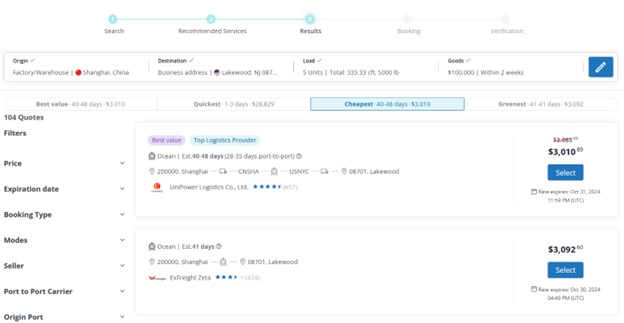
If you were to ship 5 pallets (48” x 40” x 60”), each weighing 1,000 pounds from a factory in Shanghai to our warehouse in Lakewood, New Jersey, you would have a lot of shipping options.
Among them, the lowest priced carrier on their portal would charge $3,011 to do that. It would ship by sea and the process would take 4-5 weeks, port-to-port. Freightos estimates the actual delivery time would take between 40-48 days, which is about 6-7 weeks.
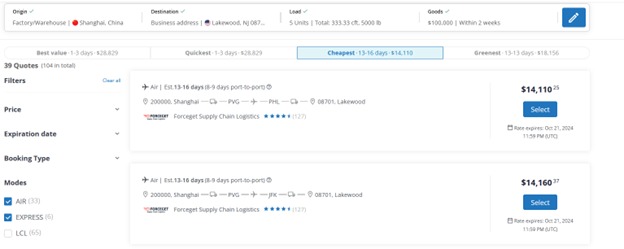
On the flip side, the cheapest available air shipping could be done in 8-9 days port-to-port, 13-16 days, at a price of $14,110. That’s about 32 days or 4.5 weeks faster, but at almost five times the cost!
Not pictured, the fastest quote we saw would take only 1-3 days to ship total, but at a cost of $28,830. That’s about 7 weeks faster, but at about 10 times the price.
If you try different shipment sizes, you will see very similar results across the board. Air shipping is consistently much faster, but far more expensive. So it’s worth exploring why that is the case, and why you might choose air over sea or vice versa.
Note: These quotes were accurate on October 16, 2024, but freight rates fluctuate due to fuel prices, congestion, and trade policy. Always check current rates with your freight forwarder or platform like Freightos before making a decision.
Why is sea shipping cheaper than air shipping?
Sea shipping is cheaper than air shipping for one simple reason: efficiency. Ships can carry far more cargo than planes. This reduces the cost per unit, allowing companies to save big on shipping.
This effect is so pronounced that business owners outside of the logistics industry are well aware of its impact. “Ships can carry far more volume per journey compared to airplanes,” says Marin Cristian-Ovidiu, CEO of Online Games. “Plus, fuel is definitely a smaller part of a ship’s operating cost than for planes.”
Planes use an enormous amount of fuel to fly and customers – the folks who need freight shipped – end up paying for the cost. Ships are slower, but burn a lot less relative to the cargo they carry, thanks to the ocean doing much of the work.
Infrastructure also plays a role here. Airports are expensive to build and maintain. Ports aren’t cheap either, of course, but they have been in use for centuries and handle far large volumes of goods.
When you think about cargo capacity, fuel, and infrastructure combined, it’s not hard to understand why sea shipping is cheaper than air shipping. The mind-boggling part is how big the difference in cost is!
Even recent U.S. tariff and de minimis policies are not enough to dethrone sea shipping as the less expensive option. Sea freight is still more affordable per unit, though it should be noted that tariff hikes can create unexpected cost spikes, especially for high-volume or high-value goods.
Why would you choose air shipping over sea shipping?
Even though it’s more expensive, air shipping definitely has its benefits. Dane Nk, Founder of That VideoGame Blog gives a great example from his experience.
“All in all, from what I’ve come to observe in the last few years, air shipping typically makes more sense than sea shipping under specific instances where every second counts. For example, when it comes to tech, sending out and shipping products like smartphones close to their release date is necessary to maintaining market relevance and consumer satisfaction.”
He goes on to add that “for perishable goods like medical supplies, air freight has the necessary speed to make sure such products arrive in optimal condition ᅳ preserving their value and efficacy.”
“Despite its higher cost though, air shipping gives its consumers unmatched speed and reliability for urgent or high-value shipments, making it the go-to choice when the cost of delayed delivery far exceeds the expense of faster transportation.”
Sea shipping typically takes weeks, and there is no way around this. When speed really matters, air shipping is truly the only acceptable option for long-haul freight shipping.
What other kinds of freight shipping are there?
Aside from sea and air, there are two other major types of freight shipping: road and rail. Both have their strengths, depending on the distance and the type of goods being moved. Road shipping is flexible. Trucks can go nearly anywhere, making them perfect for that last mile.
Rail shipping, on the other hand, is ideal for heavy or bulky items. Trains can carry large amounts of cargo over long distances. It’s slower than road transport, but the cost per unit is much lower, especially when moving goods in bulk.
Rail transport is like the ground equivalent of sea shipping, with road transport being the ground equivalent of air shipping. (This metaphor has limits, of course, since you’d hardly expect a plane to land at a warehouse, although perhaps our competitors disagree!)
That said, for shorter distances, road freight is hard to beat. Trucks can pick up and drop off at specific locations, offering door-to-door service. This makes them perfect for regional deliveries and eCommerce.
Rail is more limited in its reach. You need access to a rail network, and that’s not always available. But where it works, it’s cost-effective, especially when transporting goods over landlocked areas.
Another option, and one which is very common in freight shipping, is intermodal shipping. Intermodal shipping means combining several types of freight. Goods might move by truck to a rail terminal, then continue by rail, and finally be delivered by truck. This is kind of like the freight equivalent of booking a flight, taking a shuttle, and then renting a car if you need to travel out of town.
What is the best way to keep freight shipping costs low?
The best way to keep freight shipping costs low is to plan ahead. When you have time on your side, you can choose more affordable options, like sea or rail. Faster shipping, like air freight, always costs more. The situation you really want to avoid is shipping something by air that can be shipped by sea because you’re under a time crunch.
“In our operations, while we mainly deal with digital products, we sometimes need to ship physical merchandise or marketing materials,” says Cristian-Ovidiu. “We generally stick to sea freight to keep costs down unless we’re under a tight deadline or dealing with items that need quicker handling. Then air freight becomes worth the expense.”
Planning in advance alone is the largest lever you have for lowering costs. But if you’re looking for a bit more advice, here are a few other things you can do.
- Design with shipping in mind. Before you start manufacturing, think about ways you can make your products as light and small as possible. This will help you cut down on freight and order fulfillment costs, and might save some money during the manufacturing process as well.
- Consolidate shipments when you can. Instead of sending multiple small packages, wait until you have enough to fill a container or truck. Shipping in bulk brings the cost per item down.
- Pick partners carefully. A good freight forwarder can negotiate better rates and find the most efficient routes. They’ll also handle the paperwork—including paperwork related to tariffs—which can help you avoid costly mistakes.
- Packaging matters too. Use the smallest, lightest packaging that still protects your goods. Excessive packaging takes up space, and in shipping, space is money.
Again, planning freight shipping in advance is, by far, typically the most impactful step you can take. But these other four tips can also save you considerable sums of money in the long run.
Final Thoughts
In freight shipping, time and money rarely move in the same direction. Sea shipping wins on cost, giving businesses the ability to move huge volumes of goods at a fraction of the price of air. But when speed is critical, air shipping can be worth every extra dollar.
Choosing the right shipping method depends on your needs. If your products can wait a few extra weeks, sea freight is your best bet. It keeps costs low, which can help boost profit margins or keep prices competitive.
On the flip side, for urgent shipments or high-value goods, air shipping is the answer. The speed it provides ensures you don’t lose out on sales or quality, especially for perishable goods or time-sensitive products.
Ultimately, smart planning is the key to managing freight costs. When you understand the strengths of each shipping method, you can strike the perfect balance between speed and savings.
Kickstarter campaigns are usually international. And when it comes to international shipping, customs clearance and brokerage are key parts of the process.
If you’re shipping Kickstarter orders internationally, make no bones about it—you’re in global trade. That means you need to understand customs to avoid delays, extra costs, and legal trouble.
This guide will help you handle customs clearance and brokerage for your campaign with minimal hassle. In it, we will cover:
- What goes into customs clearance
- Who pays for customs
- The 3 main strategies for handling customs
- Best practices for handling customs
- Finding the right customs broker
By the end of this article, you’ll know how to handle customs clearance and brokerage for your campaign. That way, you can focus on the fun part – raising funds and turning your ideas into physical products!
What is Customs Clearance?
Customs clearance is a process where customs authorities inspect and approve goods entering a country. It involves several steps, like checking documents, calculating duties, and inspecting goods.
The concept of customs clearance exists for a number of reasons, but the main two reasons are very simple. Countries don’t want to let unsafe or illegal goods get in through the borders. And they want to make sure they get their fair share of taxes.
If you are shipping internationally, you’ll hear certain terms come up again and again. Some key terms you will want to know include:
- Tariffs: Taxes imposed on imported goods.
- Harmonized System (HS) Codes: Numerical codes used to classify products for customs purposes.
- Import Duties: Taxes paid on imported goods based on their value, weight, or quantity.
Because customs, as a concept, exists primarily for taxation and safety, you need the right documents to get your goods over borders. Documentation is incredibly crucial for customs clearance.
Important documents include the commercial invoice, bill of lading, packing list, and certificate of origin. Making sure these documents are accurate and complete helps prevent delays and extra costs. Each country has different customs rules, so it’s important to know the specific requirements of the country you’re importing to.
Who Pays For Customs & When?
When it comes to Kickstarter campaigns, you often hear about customs through backer complaints. If you’ve followed enough campaigns, you’ve probably seen comments along the lines of “I thought this campaign had EU-friendly shipping! Why am I paying this extra bill?”
But customs fees are actually applied at two main points in the supply chain. Here’s how that works:
1. Initial Customs Fees During Import to Warehousing Country
For many Kickstarter creators, goods are manufactured abroad and shipped to a fulfillment center. Upon arrival in the warehousing country, customs fees are charged based on the value of the imported goods.
For example, when goods are shipped from China to the U.S., the creator pays customs duties upon entry into the U.S. These fees are determined by the value of the inventory and are necessary to legally bring goods into the country. This is the first point at which customs fees are applied.
This was always the case, even before the recently implemented tariffs. What’s changed dramatically in 2025 is both the cost and scope of tariffs. The $800 de minimis exemption that previously allowed small packages to enter the U.S. duty-free ended on August 29, 2025.
Additionally, tariff rates have increased substantially—China faces approximately 40% effective rates, while a 10% baseline tariff applies to most other imports. This is why it’s a good idea to use a tool like SimplyDuty to calculate the estimated cost of all customs-related charges, though always verify rates are current as they change frequently.
If you have backed a lot of campaigns but never run any, you might not know about this. That’s because the fees assessed here never go to the backers. If anyone pays them, it’s the creator.
2. Secondary Customs Fees During International Shipping to Customers
Once the rewards are stored in a warehouse, they are often shipped internationally to customers. At this point, customs fees can be applied again.
This second set of customs fees is charged by the destination country and is usually based on the value of the shipped goods. Note that as of August 2025, the U.S. no longer exempts low-value shipments under $800—nearly all commercial shipments now incur duties. Exceptions are primarily limited to domestic shipments and certain free trade agreements, though even USMCA (US-Mexico-Canada) now includes 25% tariffs as of March 2025.
If you, for example, ship a Kickstarter reward from the US to the UK, the recipient in the UK will probably need to pay a customs charge. In a lot of cases, what that comes down to is their local carrier – let’s say Royal Mail, for example’s sake – gives the recipient a bill. When that bill is paid, they get their reward.
There are ways to handle this that don’t require backers paying for customs. We’ll discuss that in the next section.
3 Strategies For Handling Kickstarter Customs
How you handle customs is important. Backers don’t like having to pay extra fees if they can avoid it. But sometimes, it just doesn’t make sense to go out of your way, as a creator, to account for all the customs regulations of all the countries in all the world.
So bearing that in mind, there are three strategies you can use to handle customs fees.
1. Making Backers Pay Customs Fees
One simple option is to have your customers pay the customs fees upon delivery. While this might sound unappealing, many international customers are used to this practice.
This approach is simple for the business but can irritate backers, especially if they are unaware of these additional charges. But just because it might cause some backers to grumble, that doesn’t mean you should write this off entirely. For many small campaigns, this may very well be the only practical way to handle customs.
If you do this, please make sure you communicate this policy clearly. This is the best way to avoid negative feedback.
2. Storing Inventory in Multiple Countries
Another strategy is to minimize international shipping and customs fees by storing inventory in multiple countries. Creators of highly successful campaigns can afford to maintain warehouses in key regions like the U.S., Europe, and Asia. That means they can provide domestic shipping within those areas.
To do this, the creator would split their freight shipments to multiple warehouses. So they would pay multiple bills to multiple countries to import bulk inventory. But individual backers in those countries or regions (like the EU) would not have bills on their individual orders.
The idea of paying multiple bills on multiple freight shipments might sound unappealing, but it’s worth noting that when you import bulk inventory into a country, you pay a tax on the manufacturing price. But when backers receive individual orders, they pay tax on the retail price. That’s a HUGE difference in most cases.
Taking this approach reduces the frequency of international shipments and the associated customs fees. However, it is often impractical for smaller businesses due to the high costs of managing multiple warehouses.
3. Using Delivery Duty Paid (DDP) Shipping
If you can’t justify having multiple warehouses, the next most customer-friendly option is to use Delivery Duty Paid (DDP) shipping. In doing that, the creator takes responsibility for paying all customs fees on behalf of the backer.
This method means that customers receive their packages without any additional charges. It improves the customer experience by eliminating surprises and making the purchase process smoother.
The key issue with this method is that creators have to pay for international shipping plus customs. Those fees can really add up to a huge total with enough backers. It’s great if you don’t have many international shipments to send, but it’s simply not reasonable if you have a large volume of orders going overseas.
Be aware that with 2025’s dramatically higher tariff rates, DDP shipping is now substantially more expensive than even six months ago. For example, if you’re shipping from China to the U.S., you’re looking at approximately 40% duties on the product value, plus shipping costs.
For a $50 product, that’s $20 in duties alone—before accounting for shipping. This can make DDP financially unviable for many campaigns, especially those with lower margins or higher-value items.
7 Best Practices for Customs Clearance
No matter which strategy you use for customs, there are some best practices that stay constant. Here are a few simple rules you can follow that will help you reduce the risk of things going wrong.
1. Do your paperwork correctly
Having accurate and complete documents is vital for customs clearance. To restate: important documents include the commercial invoice, bill of lading, packing list, and certificate of origin.
Make sure all documents are filled out correctly and include necessary details like product descriptions, HS codes, and declared values. Incorrect or incomplete paperwork can lead to delays, fines, or even shipment rejections.
Basically – dot your I’s and cross your T’s.
2. Follow import and export regulations
Every country has its own import and export rules. Get to know the specific requirements of the countries you’re shipping to and from. This means understanding restricted or banned items, packaging and labeling needs, and any special certifications required.
Complying with these regulations will make your life generally easier.
3. Don’t be afraid to hire a customs broker
Customs brokers are experts in navigating customs procedures. They can help prepare your documents, calculate duties and taxes, and make sure you follow all regulations.
Choosing an experienced customs broker can save time, reduce errors, and speed up the clearance process. Don’t be afraid to hire help if you need it!
4. Use technology and automation to cut down on grunt work
Using technology and automation can make customs clearance easier. Many modern customs solutions offer features like automated document preparation, real-time tracking, and integration with shipping platforms. These tools help reduce manual work, minimize errors, and give you better visibility into your shipments’ status.
5. Keep an eye on trade policy and tariffs news
Tariff changes, new trade agreements, and shifting customs regulations can directly impact your costs and timelines. Keeping an eye on policy changes as they happen can give you the chance you need to adapt early whether that means adjusting your pricing, changing suppliers, or altering your fulfillment plans.
Reliable sources include official customs websites, logistics news outlets, and updates from your customs or freight broker. A few minutes of research every month can save you from expensive surprises later.
This has been especially critical in 2025, as tariff rates have changed multiple times since January. What was a 10% rate in February might be 40% today. Sign up for alerts from your customs broker and check rates at least monthly during your campaign.
6. Account for de minimis elimination in your planning
The U.S. elimination of the $800 de minimis exemption means every single package entering the US now requires customs processing and duty payment. This affects your budgeting, timeline, and backer communication strategy.
Even small rewards that would have shipped duty-free in early 2025 now incur fees. Build these costs into your campaign budget from the start, as they can add 10-40% to your landed costs depending on the country of origin.
7. When in doubt, communicate like you’re an open book
Clear communication with everyone involved in the customs process is crucial. This includes suppliers, freight forwarders, and customs brokers. Make sure everyone knows their responsibilities and deadlines.
If you have questions, ask them. If you think someone might need to know certain information, make sure they know it. Err on the side of over-communication.
Choosing the Right Customs Broker
You are able to book your own freight. And if you work with the post office and other carriers like UPS and FedEx, you can also send international shipments without too much trouble.
But if you’re worried about customs clearance or tariffs, it might be a good idea to hire a helping hand. Should you choose to do that, here are a few tips to make sure you find the right partner.
1. Find an experienced broker
Look for a broker who has lots of experience with shipments like yours. They should know the rules and needs of the countries you trade with. An experienced broker can offer area expertise and help you avoid common customs traps.
2. Learn about their services
A broker with a wide range of services can simplify your logistics. Besides customs clearance, many brokers offer freight forwarding, warehousing, and distribution. Choosing a broker that provides end-to-end solutions saves time and reduces the hassle of dealing with multiple service providers.
3. Review costs
Cost matters, but it shouldn’t be your only concern. Compare pricing from different brokers but also think about the value they offer. A cheaper broker might not give you the same level of service or expertise as a pricier one. Look for transparent pricing with no hidden fees.
4. Look at reviews
Check the broker’s reputation and customer reviews. Positive feedback and a good reputation usually mean reliable, high-quality service. Ask other businesses for references and search for online reviews to see how satisfied their customers are.
5. Check out their tech system
It’s important to find a person you like working with. But it’s also wise to make sure you like their software too, since you’ll probably work with that more than the actual person.
Look for brokers who offer online tracking, automated documentation, and integration with your systems. These features streamline the customs process and give you real-time shipment updates.
Final Thoughts
If you run a Kickstarter campaign, you will probably ship internationally. That means you will need to know how to handle customs clearance and brokerage.
Getting packages across country borders is intimidating and complex. The 2025 trade environment has made this even more complex, with the elimination of de minimis exemptions and volatile tariff rates. What worked for campaigns in 2024 may no longer be viable today.
Before you launch your campaign, make a decision about how you plan to handle customs. Figure out who will pay for customs and figure out if you will be hiring help.
As intimidating as international shipping can be, don’t let it scare you away from launching the product of your dreams. This is just a logistical hurdle to clear along the way. You can do it, as have so many others before you!
Understanding the customs clearance process is extremely important if you want to import goods into the USA. The last thing you want is to have your goods impounded at the border.
Clearing customs involves strict regulations. If you don’t comply, you could face delays, penalties, and extra costs. But once you know the rules, importing can be smooth, efficient, and a real advantage for your business. This is especially true given the recent changes to U.S. tariff policy.
Most significantly, the $800 de minimis exemption ended on August 29, 2025. This means ALMOST ALL commercial shipments—even those valued under $800—now require formal customs processing and payment of duties. What used to be a simple process for small packages has become much more complex, making proper customs compliance more critical than ever.
In this guide, we’ll break down the U.S. import process step-by-step so you can avoid costly mistakes.
Step-by-Step Guide to the Import Process
Importers must meet basic requirements set by Customs & Border Protection (CBP). That includes proper documentation, accurate classification of goods, and adherence to import regulations. Here is what you need to know in order to import goods.
Step 1: Obtain a Customs Bond
A customs bond is a financial guarantee to U.S. Customs and Border Protection (CBP) that you’ll follow regulations and pay duties, taxes, and fees. Without one, your goods can’t legally clear customs.
There are two types of bonds:
- Single-entry bond: Covers one shipment—ideal for occasional importers.
- Continuous bond: Covers all shipments over a year—better for frequent importers.
You can get a bond through a customs broker or surety company.
Step 2: Properly Classify Your Goods
Using the Harmonized Tariff Schedule (HTS), classify each product accurately. Your classification determines the tariff rate and regulatory requirements.
For instance, if you are importing electronic gadgets, you need to find the specific HS Code that matches each item to determine the exact duty rate. Misclassifying items could result in paying higher tariffs or facing penalties. This can disrupt your business operations and increase costs.
Misclassification can lead to higher duties or penalties. If in doubt, work with a customs broker to verify codes before shipping.
As Chris Rivera, CPA and founder of The Ecommerce Accountants, warns: “Don’t just think in terms of product cost—think in terms of landed cost. Factor in duties, freight, customs fees, and delays.”
Accurate classification now avoids expensive mistakes later.
Step 3: Prepare and Submit Required Documentation
Essential documents for importing include the Bill of Lading, Commercial Invoice, and Packing List. These documents must be completed accurately and submitted to the CBP.
Double check to be sure all details are correct and consistent across documents to avoid processing delays. Submissions can be made electronically via the Automated Commercial Environment (ACE) or manually, depending on the requirements.
Your documents have to be done right. Rushing through documentation is asking for a rough import process. As an example, if the Commercial Invoice lists 500 units of a product, the Packing List should also reflect this exact quantity. Any discrepancy can trigger delays and additional inspections, complicating the import process.
Using ACE for electronic submissions not only speeds up the process but also provides real-time tracking of your submission status. That makes it easier to manage.
Step 4: Determine Entry Type
There are different types of entry for imported goods: Formal Entry and Informal Entry.
Formal Entry is required for goods valued over $2,500 or items subject to regulations and quotas. Informal Entry applies to goods valued between $250 and $2,500 for most products (though textiles and certain regulated items may require formal entry regardless of value).\
For example, if you’re importing high-value electronics worth $10,000, you’ll need to file a Formal Entry with extensive documentation. A small batch of handcrafted goods worth $1,500 would qualify for Informal Entry, but even a $200 shipment now requires customs processing and duty payment—something that wasn’t required before August 2025.
Important: The de minimis exemption that previously allowed packages under $800 to enter duty-free no longer exists as of August 29, 2025. Even small shipments now require customs entries and duty payment. At time of writing, this has dramatically increased the workload for CBP and may cause processing delays.
Step 5: Calculate and Pay Duties and Taxes
Duties and taxes are calculated based on the Harmonized Tariff Schedule (HTS) classification of your goods. Each classification has a corresponding duty rate. To calculate the duties, multiply the value of your goods by the applicable duty rate.
Let’s run through an example. If the duty rate for your imported textiles is 5% and the total value is $20,000, you’ll owe $1,000 in duties. Paying this amount promptly helps ensure your goods clear customs without delays.
Payments to the CBP can be made electronically through the Automated Commercial Environment (ACE) or by other CBP-approved methods. If you use ACE, it will help you accurately calculate and pay duties and taxes. That way, your goods cruise across the border.
Important: As of 2025, U.S. tariffs on many Chinese goods have risen sharply, affecting electronics, textiles, and consumer goods. Double-check tariff rates when importing—especially for products from China and Southeast Asia.
Current tariff rates as of September 2025 are as follows:
- China: Approximately 40% effective rate (after negotiations and suspensions)
- Steel and aluminum products: 41.2%
- Automotive products: 22.3%
- Universal baseline: 10% on most imports
- Mexico and Canada: 25% (implemented March 2025)
These rates change frequently due to ongoing negotiations. Always verify current rates before calculating duties, as using outdated information can result in significant underpayment and penalties.
Step 6: Arrange for Inspection and Release of Goods
CBP may inspect your goods to ensure compliance with regulations. If your shipment is selected for inspection, the CBP will notify you. Prepare by having all necessary documents ready and ensuring your goods are correctly labeled and packaged.
Inspections can be random or based on risk assessments. Cooperating fully with the inspection process and addressing any issues promptly can help expedite the release of your goods.
For example, if you’re importing food products, make sure all items are labeled with ingredients and expiration dates as required. If the CBP decides to inspect your shipment, having everything in order can prevent long delays.
Should any issues arise, promptly provide additional information. If there are discrepancies, correct them. This can help speed up the release of your goods.
11 Common Pitfalls and How to Avoid Them
Customs clearance can be complicated. There are some mistakes that happen again and again for new and experienced importers alike.
Here are some common ones along with tips on how to avoid them.
#1: Incorrect Classification
Always double-check HTS codes. Misclassification can lead to fines and delays. Use CBP resources or consult a customs broker for accurate classification. For example, if you misclassify electronics as toys, you could face hefty fines and long delays while the error is corrected. Make sure you use the right code by cross-referencing CBP’s guidelines or seeking help from a broker.
#2: Incomplete Documentation
Make sure all forms are filled out accurately and completely. Missing or incorrect information can cause delays. Double-check documents before submission.
For instance, if your Commercial Invoice is missing the total value of goods or has incorrect quantities listed, your shipment could be held up at customs. Take the extra time to verify every detail on your forms.
#3: Ignoring CBP Notices
Respond promptly to any CBP communication. Failure to address notices can result in penalties or shipment holds.
If you receive a notice regarding additional documentation or clarification, respond quickly. Ignoring such notices can lead to your goods being held indefinitely or even seized.
#4: Improper Packaging
Use compliant and secure packaging. Non-compliant packaging can lead to inspection delays or damage claims.
As an example, if you’re shipping fragile items like glassware, using inadequate packaging can result in breakage, leading to claims and delayed processing. Make sure your packaging meets CBP standards and is robust enough to protect your goods.
#5: Failure to Pay Duties
Pay all required fees on time. Late payments can incur fines and delay the release of your goods.
If you fail to pay the calculated duties by the deadline, your goods will not be released until the payment is made. This could cause significant delays in your supply chain.
#6: Neglecting Inspection Procedures
Be prepared for potential inspections. Have all necessary documents and be ready to cooperate with CBP officers.
If your shipment is selected for inspection, having everything in order, like proper labeling and documentation, can expedite the process. Cooperation and readiness can make the inspection smooth and swift.
#7: Overlooking Entry Types
Choose the correct entry type for your goods. Incorrect selection can lead to processing delays and additional scrutiny.
For instance, if you incorrectly file a high-value shipment as an Informal Entry, you could face extra scrutiny and processing time. Understand the distinctions and file appropriately to avoid complications.
#8: Lack of Insurance
Protect your shipment with appropriate insurance. Insurance can cover potential losses or damages during transit. If your goods are lost or damaged during shipping, having insurance means you won’t bear the full financial brunt of the loss. It’s a small investment for peace of mind.
#9: Ignoring Import Restrictions
Make sure your goods comply with all import restrictions and regulations. Restricted items can be seized or returned.
For example, certain chemicals and pharmaceuticals require specific permits and adherence to strict regulations. Ignoring these can result in your goods being confiscated and heavy fines imposed.
#10: Assuming De Minimis Still Applies
The $800 de minimis exemption ended August 29, 2025. All commercial shipments now require customs processing and duty payment, regardless of value. Many importers haven’t adjusted to this change and face unexpected duties and delays.
For example, if you’re importing $500 worth of samples that would have entered duty-free in early 2025, you now need proper documentation and must pay applicable duties. Plan accordingly and budget for these additional costs.
#11: Using Outdated Tariff Rates
Tariff rates have changed dramatically in 2025 and continue to fluctuate. Using rates from even a few months ago can result in significant underpayment.
Always check current rates through official CBP resources or your customs broker before calculating duties. What was a 10% rate in April might be 40% today.
Tips to Use Technology to Speed Up Customs Clearance
Smart use of technology can significantly streamline the customs clearance process. Various tools and software are available to simplify and automate different aspects of importing goods.
The Automated Commercial Environment (ACE) is an important platform provided by the CBP. It allows for electronic submission of documents, real-time tracking, and communication with customs officials.
Additionally, customs management software like Descartes and ONESOURCE Global Trade offer comprehensive solutions for managing compliance, documentation, and duty calculations.
Automated solutions provide lots of benefits, including reducing human error, speeding up document processing, and ensuring compliance with regulations.
These systems can alert you to missing or incorrect information, helping to avoid delays and penalties. For example, if you submit a document with an incorrect HTS code, the software can flag the error and prompt you to correct it before submission, preventing delays.
Real-time tracking allows you to monitor the status of your shipments and quickly address any issues that arise. Imagine being able to see exactly where your shipment is and knowing immediately if it’s stuck at a port, enabling you to take swift action to resolve any problems.
Where possible, avoid manual paperwork. Using the latest tech can keep your import processes efficient in terms of both time and money. Plus, you can cut down on the hassle. It’s worth the slight learning curve of using new software.
Final Thoughts
Understanding and following the customs clearance process is mission-critical for importing goods into the USA. Key steps include obtaining a customs bond, properly classifying goods, preparing documentation, determining entry types, calculating and paying duties, and arranging for inspections.
The elimination of the de minimis exemption and current tariff volatility have made customs clearance more complex than ever. What worked in early 2025 may not work today. Stay informed about current rates and requirements, as they continue to evolve.
Attention to detail counts for a lot here. As long as you are thorough and careful, you can see your products through the import process and clear customs without unnecessary trouble.
Additional Resources
For more information, visit these resources:
- CBP Official Website
- SimplyDuty (good calculator for tariffs)
- Harmonized Tariff Schedule
- Automated Commercial Environment (ACE)
- National Customs Brokers & Forwarders Association of America (NCBFAA)
Launching a successful Kickstarter campaign is a ton of fun! But it also requires a lot of planning in order to do it properly. Kickstarter reward fulfillment is notoriously tricky and there are a lot of things that go into it.
In this article, we’re going to share everything we think you need to know about Kickstarter fulfillment. You’ll walk away knowing exactly how to fulfill a crowdfunding campaign.
That means you can find information on:
- Forecasting backer demand
- Finding a manufacturer
- Creating a shipping timetable
- Booking freight
- Lining up order fulfillment
- Handling returns and complaints, and
- A hard-to-categorize tips and tricks that are generally helpful to know
We hope you find these tips helpful for your next campaign!
Part 1: Plan for demand
Accurate demand planning helps avoid shortages and overproduction. That’s easier said than done with Kickstarter, of course, because you don’t know how much you will raise!
But if you can get an at least moderately reliable estimate, you can plan the rest of your campaign accordingly. Here are some tips on how you can do that.
#1: Check other campaigns to see how much funding is reasonable for your product type
Look at data from similar Kickstarter campaigns as well as your own audience size to forecast demand. Consider the product type, target audience, and funding goals.
When you look at enough campaigns, you will understand what the best-case scenario is, as well as what a typical success story looks like. Collecting this information will give you a rough estimate of how many potential backers you could see.
This will help you know what general direction you need to go with production, should you fund. For example, if a typical campaign in your niche has about 1,500 backers, you probably need a manufacturing run of about 2,000 units. But if a typical campaign has more like 5,000 backers, you would need to be ready for a much larger run size.
The same principle applies to freight, order fulfillment, and other parts of the shipping process.
#2: Estimate how much funding you will raise based on your audience size and reward price
Estimate backer numbers based on your mailing list. For example, if you have 5,000 people on your list and expect 4% to back you, that’s 200 backers. Account for a 30-40% Kickstarter boost and adjust your projections to include these potential backers.
You can then take your estimated backer figure and multiply that by the price of your main reward. If the results of the previous calculation suggested you would have about 500 backers at $50 each, as an example, you could then expect to raise around $25,000.
#3: Plan for multiple scenarios
Sometimes Kickstarter campaigns raise way more than expected. And sometimes they raise a lot less!
Even though you need to have an idea of what the average outcome will be for your campaign, it’s a good idea to plan for both low funding and high funding scenarios. That way, you can handle manufacturing, freight, and shipping even if your funding estimate is way off.
#4: Order extras, but not too much
If you have 1,500 backers, you will need more than 1,500 units. Some will be defective and some will be lost in the mail. You may also end up selling more units via late pledges if you use a pledge manager as well.
At a minimum, you should order 20% more stock than you need to fulfill your campaign. If you plan on selling via eCommerce or traditional retail after the fact, you will need even more stock than that.
Naturally, you won’t want to go too overboard. Ordering too much stock is expensive and then you have to store it somewhere. But while having too much stock is bad, running out is much worse!
Part 2: Find a manufacturer
Finding the right manufacturer for your campaign is incredibly important. It requires a lot of research and due diligence.
Here are a few tips on how you can do this properly.
#5: Vet multiple manufacturers and choose the best one
Finding the right manufacturer is not a fast process—you need to vet several before committing. Start by scouring platforms like Alibaba and ThomasNet. These sites will help you get in touch with potential manufacturers.
When you narrow down your list of manufacturers to contact, you need to vet them. Check their references. Request samples to assess product quality. If a sample looks shoddy, the final product might be even worse.
Make sure the manufacturer has experience in your specific product category. Needless to say, a manufacturer specializing in electronics might not be the best for your fashion line. Experience ensures they understand the nuances of your product, leading to higher quality and fewer production issues.
And remember, communication is key. Choose a manufacturer that communicates clearly and promptly. Misunderstandings can lead to costly mistakes and delays.
#6: Identify reliable suppliers for stretch goals, packaging, and other non-core items
If you need stretch goals, custom packaging, or non-core items like custom stickers and T-shirts, make sure you account for that as well. The manufacturer of your core reward, deservedly, will get most of your attention. But don’t forget how important these other pieces are as well—you don’t want to send an amazing product in the mail with cheap extras!
#7: Secure backup options
Have a primary and backup manufacturer to avoid delays. This gives you alternatives if your main manufacturer has problems, such as being in a country whose tariff rates have recently been increased.
That way, even if things go wrong, you can keep your production schedule and campaign momentum on track.
Part 3: Make a timetable
You need to be able to provide a good estimate of how long it will take to ship rewards. Otherwise, what will you tell your backers?
Every step, from payment to shipping, needs a clear schedule with buffer time for unexpected delays. Here is what you need to consider.
#8: Plan for payment processing
Allow two weeks for Kickstarter funds to clear after your campaign ends. Remember, Kickstarter takes a 5% cut, credit card companies take another 3%, and expect a 1-3% failed transaction rate. Remember: you probably can’t start manufacturing until the funds clear.
#9: Make time for manufacturing
Add a 25-30% buffer to your manufacturer’s estimated production time. This covers unexpected delays and keeps you on track. Clear communication with your manufacturer is crucial to manage timelines effectively.
#10: Plan around freight shipping
Work with a reputable logistics provider for timely transportation. Add buffer time for unexpected delays like bad weather or disruptions. Sometimes, freight shipping is delayed for completely unforeseeable reasons, so be sure to pad any estimates you receive to account for that as well.
#11: Don’t forget about clearing customs
Factor in time for customs clearance in destination countries. Customs processes can vary, so research the specific requirements for your product. This helps avoid delays and ensures smooth international shipping.
In the past, creators could get away with the assumption that customs clearance would take at least two weeks. But for certain product categories, this would often take much longer.
However, with recent changes to tariffs and the de minimis exemption, this is no longer the case. That is, packages of less than $800 can no longer reliably be imported into the US without customs or tariff charges.
As a result, customs clearance for your campaign may take weeks or months. Postal carriers are handling customs for far more US-bound packages that was previously the case. Eventually, we will see a new normal develop, but we’re not there yet as of September 2025.
Also note that tariff rates may change quickly. Check your product’s HS code classification and estimate tariff costs early so you don’t get surprised after your goods ship.
#12: Line up order fulfillment
Make sure you account for time spent receiving, unpacking, and preparing products for shipping. If using a fulfillment center, make sure they are prepared to handle your inventory.
How long this will take will depend heavily on how many orders you need to ship. Ask your fulfillment center(s) for estimates if you are working with them.
If you are shipping on your own, plan on sending out about 100 orders per full workday.
Part 4: Book freight
Booking freight for your Kickstarter project isn’t just about getting products from point A to point B. It’s about timing, cost, and efficiency.
Here’s what you need to consider.
#13: Choose freight options
First, decide between a freight broker or a freight marketplace based on your needs. Then, consider sea, air, and rail shipping options, balancing cost and speed. This choice impacts your shipping efficiency and costs, so choose wisely.
#14: Understand incoterms
Next, familiarize yourself with incoterms. These terms define seller and buyer responsibilities in the shipping process. Choosing the right terms minimizes risks and ensures smooth customs clearance.
Put plainly, incoterms tell you who does what when it comes to freight shipping.
Please note that tariffs are separate from shipping fees but can heavily impact your total landed cost. When booking freight, double-check how your incoterms handle customs duties—especially if you are responsible for paying tariffs. Plan for tariff costs early to avoid unexpected cash flow problems during delivery.
#15: Prepare documentation
Make sure all necessary customs forms and invoices are ready. Accurate documentation helps avoid delays and complications during transit. Work closely with your logistics provider to keep all paperwork in order.
#16: Track shipments
Use your logistics provider’s tracking system to monitor shipments. Stay informed about your shipments’ progress and be prepared to address any unforeseen challenges. You may not be able to do anything with this information, but it will likely settle your nerves while you wait.
Part 5: Find a fulfillment center
Choosing the right fulfillment strategy is really important to shipping a Kickstarter on-time. Self-fulfillment offers control but doesn’t scale well with larger campaigns.
For larger campaigns, hiring a fulfillment center helps with efficient processing and shipping. But if you choose to work with one or more fulfillment centers, you need to make sure they have experience in crowdfunding.
Here are some things to consider when it comes to fulfillment.
#17: Consider self-fulfillment
Self-fulfillment is great for less than 250 orders, giving you direct control over quality control when it comes to shipping. If you choose to do this, purchase supplies in bulk and use a label printer to save on costs.
With low order volume, this is usually the cheapest and easiest solution. But it doesn’t scale well for thousands of orders and it also doesn’t work very well if you need to send a lot of international shipments. Be aware of these issues should you choose to ship your own orders.
#18: Hire a fulfillment center
If you don’t want to ship on your own, you can hire a fulfillment center. With large order volumes, fulfillment centers are much more efficient. They handle the picking, packing, and shipping for you so you can save your time.
If you have a lot of international shipments or you’re shipping at least 500 orders, at least consider reaching out to a fulfillment center to learn more. Look for fulfillment partners experienced with crowdfunding-specific needs like custom packaging requirements and the ability to handle “waves” of orders rather than steady daily volume.
Ask potential fulfillment partners about their experience with pledge managers, their process for handling damaged or missing items, and their communication standards for keeping you informed throughout the fulfillment process.
Part 6: Prep for international shipping
International shipping is tricky and expensive. But Kickstarter campaigns are usually international events, so you need to plan for it all the same.
Here are a few things that you will need to consider.
#19: Ship internationally from your own country
If your order volume is low, shipping directly from your home country is a straightforward option. However, be aware that customers might need to pay VAT and customs fees. This method is simple but may not be cost-effective for larger campaigns.
#20: Use delivery duty paid (DDP)
DDP shipping can enhance the backer experience because you pay duties and taxes on their behalf. This method is a good way to offer “EU-friendly” or “Australia-friendly” shipping even if you’re not working with fulfillment centers in those regions.
This can be a good way to simplify international logistics for your campaign, depending upon the customs and tariffs rules of the countries you are shipping into. But you should know—this is really expensive and if you have hundreds of orders to ship to those regions, then you need a better solution!
#21: Partner with international fulfillment centers
For high order volumes, partner with fulfillment centers in target regions. This reduces shipping costs and improves delivery times.
Managing multiple centers requires efficient coordination and logistics planning, it’s true. But if you are shipping thousands of orders and they’re spread out across the globe, this is probably the best way to do it.
Part 7: Prep for returns & complaints
Some of your rewards will get lost or broken in the mail. And some backers will simply be unhappy, despite your best efforts to satisfy them.
You need to have a plan to handle returns and complaints. Here are a few things to consider.
#22: Establish a return policy
Clearly define acceptable reasons and time frames for returns. Communicate this policy on your campaign page and with backers. A well-defined return policy helps manage expectations and handle returns smoothly.
#23: Efficiently process returns
Efficient processing of returns will keep backers happy. Make sure it is easy for them to get in touch with you if something goes wrong. Then make sure you have stock to send out as a replacement, if that is necessary and appropriate.
#24: Address backer complaints
Today’s Kickstarter backers expect more sophisticated customer service than in the platform’s early days. So be sure to set up dedicated channels for backers to voice their concerns as needed.
Respond promptly and transparently to complaints. Demonstrating empathy and responsiveness builds trust and ensures a positive experience for backers. It would also be a good idea to create template responses for common issues, as long as you take the time to personalize them for each situation.
Document recurring problems to identify systemic issues in your fulfillment process. You may not be able to make changes after the fact, but it can make it easier to do things well in your next launch.
Part 8: Collect addresses for your Kickstarter campaign
Choosing the right method to collect addresses is an important part of handling fulfillment. Options include using Kickstarter’s built-in survey tool or a pledge manager, either shortly after the campaign or right before fulfillment.
If you’re looking up “how to fulfill a crowdfunding campaign”, then here are some things you should know about this part of the process.
#25: Choose to use a pledge manager or Kickstarter’s built-in survey tool
There are two ways you can collect addresses. You can either use a pledge manager like BackerKit or you can use Kickstarter’s built-in survey tool.
Kickstarter surveys can only be sent one time. So if you send it too early and collect address information, people may forget to update it when they change addresses. Kickstarters take a long time to manufacture and fulfill, so this problem can cost you a lot of money.
Similarly, if you choose not to use a pledge manager, then you will need to collect shipping fees upfront via Kickstarter pledges. That means you need to be able to accurately estimate shipping costs at the time of the campaign. Plus, you will pay Kickstarter’s 5% fee on any shipping fees collected.
Even with these issues, it might still be worthwhile to use Kickstarter to collect address information. After all, using a pledge manager means you and your backers need to use separate software. Depending on the nature of your campaign, that might not be something you want to do.
#26: Decide when to collect shipping addresses and charge for shipping accordingly
Whether you use Kickstarter’s built-in survey tool or a pledge manager, it’s best practice to collect addresses late. That way, people won’t send in their address, move, and forget to tell you. This cuts down on lost shipments and the costs associated with that.
#27: If using a pledge manager, upsell and cross-sell
If you do happen to use a pledge manager, you should know that you can upsell and cross-sell in the pledge manager. Even if you don’t have other products to ship, you can still ask people if they want to increase the quantity of items they are buying. It’s an easy way to increase your sales revenue.
Part 9: Understand Kickstarter funds release and fees
When you successfully fund, you don’t walk away with 100% of the funds the minute you fund. Here is some of the fine print information you should know about before you launch.
#28: Know when Kickstarter releases funds
Kickstarter releases funds about 14 days after the campaign ends. This delay allows for transaction processing and addressing potential issues, ensuring all funds are finalized before release.
#29: Account for Kickstarter and payment processing fees
Kickstarter takes a 5% fee, plus 3-5% for payment processing. Handle shipping separately, such as through a pledge manager like BackerKit, to save on fees. Understanding how these fees work can help you plan your budget and manage campaign finances effectively.
Final Thoughts
Kickstarter is an amazing way to raise funds for new products. It’s one of the best ways to build up a community and see how far your product ideas can go.
Kickstarter reward fulfillment can be tricky. There’s no denying that. But if you know how the basic processes work, then it’s fair to say that you know how to fulfill a crowdfunding campaign!
We hope this guide has given you all the information you need to confidently launch.
Running a small business can be a disorienting, confusing experience, regardless of how much experience you have. It’s tough to know where to turn for timely and useful information, reliable data, and time-saving software.
That’s why in this week’s post, we’re going to share some of our favorite helpful websites for small business owners. They range from government agencies such as the Small Business Administration to informative blogs like The Balance Small Business to software like Trello.
34 Helpful Websites Small Business Owners Should Bookmark
1. BizFilings
Looking to start your business for the first time? The paperwork can be intimidating, especially if you’re not familiar with the process. BizFilings can help streamline the process of getting set up.
This site helps you fill out the forms needed to create a sole proprietorship, partnership, LLC, or other type of business. It doesn’t stop there, though. It will also help you choose the right type of business.
2. SCORE
SCORE is a network of expert business mentors who work on a volunteer basis. They’ve been around since 1964, have mentored over 11 million entrepreneurs, and are a resource partner of the Small Business Administration (SBA).
According to their website, they provide the following services:
- Mentoring with experienced entrepreneurs.
- Webinars and courses on demand on subjects such as marketing and finance.
- A library of online resources which includes blogs, templates, guides, checklists, and more.
- Local events to allow entrepreneurs to meet up.
3. Small Business Administration
Created in 1953, the Small Business Administration (SBA) was established to help small businesses succeed. Like SCORE, the SBA offers a number of different services including:
- Free business counseling
- Guaranteed business loans
- Home and business disaster loans
- Access to bidding opportunities for federal contracts
4. Bureau of Labor Statistics
If you need statistics on the economy or a certain industry, one of the first places you should check is the Bureau of Labor Statistics (BLS). This government agency provides statistics on pricing, employment/unemployment, compensation, working conditions, and productivity.
You are likely familiar with some of their work, which includes, just for starters:
- Consumer Price Index
- Unemployment Rate
- Consumer Expenditure Survey
5. HubSpot
HubSpot is best known for being a customer relationship management software, akin to a free version of Salesforce. However, arguably the best thing that this company has done for small businesses is found on the Resources section of their website.
Suffice it to say, if you can think of any problem that small businesses face, HubSpot has written a very detailed article about it. Examples at the time of writing include:
- How to Write a Blog Post: A Step-by-Step Guide [+Free Blog Post Templates]
- The Social Media Content Calendar Template Every Marketer Needs [Free Template]
- How to Create a Sales Plan: Template + Examples
6. The Balance Small Business
Similar to HubSpot, the Balance Small Business has written about nearly every issue you can imagine a small business owner running into. Examples from their blog at the time of writing this post include:
- 5 Ways CEOs Can Encourage Employees to Bring Their Whole Selves to Work
- 63 Small Business Ideas to Start in 2024
- Reduce Your Business Expenses With This $30 Microsoft Office Alternative
7. Entrepreneur
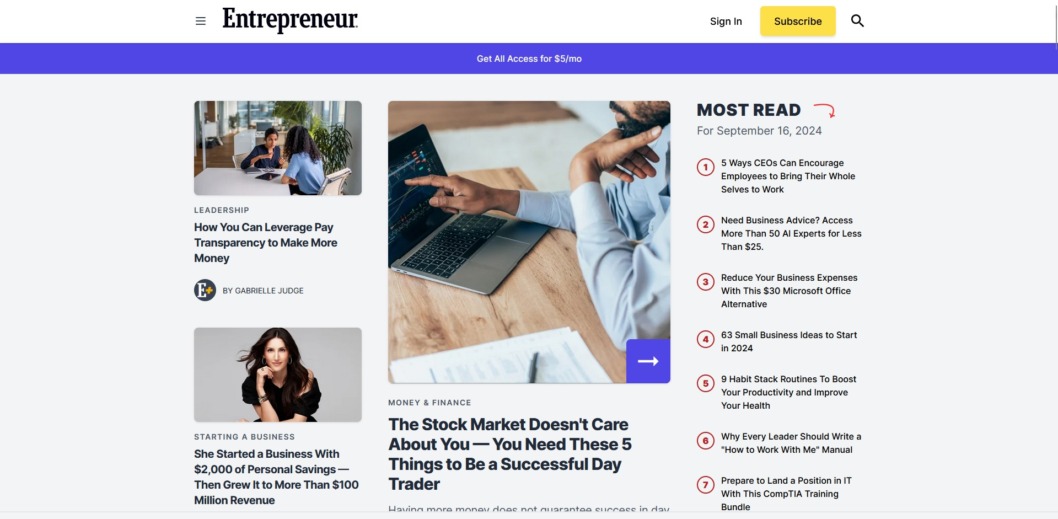
Of all the major magazines and papers dedicated to business and finance, Entrepreneur is the one best tailored for small business owners and entrepreneurs. While HubSpot and The Balance Small Business are better for long-form, specific instructional guides, Entrepreneur provides more timely news information.
8. Google Trends
We mentioned this in our marketing research video.
Google Trends may be my favorite way to conduct market research. The basic idea is simple: Google keeps count of what people search, as well as when they search and where they search from. In practice, this means that you can plug in all kinds of words to see if people are interested enough to Google them.
9. Legal Zoom
If you need to create simple, routine legal documents, Legal Zoom is a good resource to remember. One of their most well-known services include business formation documents, but they also handle wills/trusts, and intellectual property filings.
10. Legal Shield
LegalShield provides small businesses with affordable access to legal services through a monthly membership model. For a flat monthly fee, you get access to attorneys who can help with contract reviews, legal letters, debt collection, and general business legal advice.
This is particularly valuable for small businesses that need occasional legal guidance but can’t afford to keep a lawyer on retainer. LegalShield attorneys can review vendor agreements, employment contracts, and help with regulatory compliance issues. They also provide legal forms and document templates that are regularly updated to reflect current laws.
11. Trello
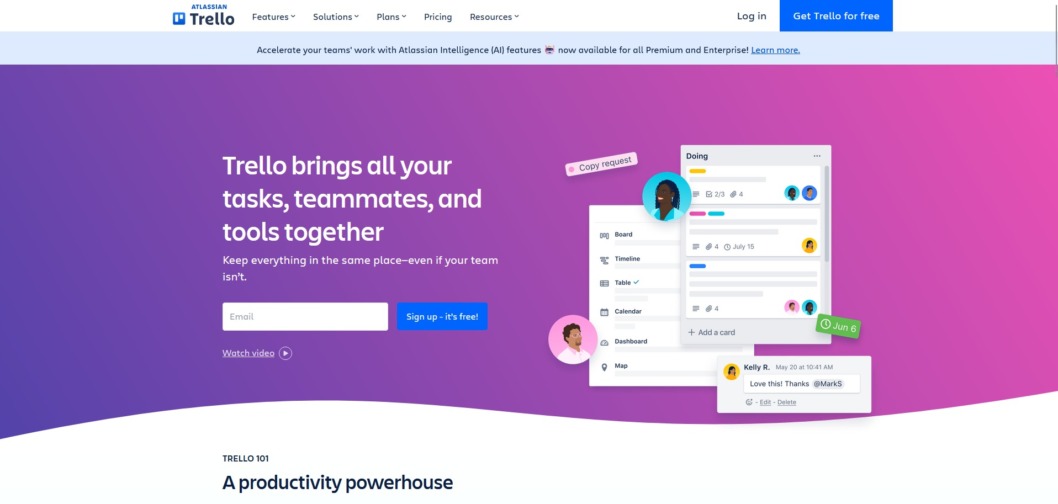
If you’ve never used Trello before, it can be difficult to explain exactly why it’s so useful. In short, Trello is a digital kanban board. If you’re not familiar with the concept, it’s simple: tasks are written on sticky notes and put into columns such as “to-do”, “doing”, and “done.”
Trello lets businesses easily organize tasks by allowing businesses to create an infinite number of these boards. Individual tasks can be assigned to users with due dates. You can also store notes and checklists within each task as well.
This is really just scratching the surface, too. Trello power-ups add a lot of functionality to boards. Best of all, Trello is free up to a point, though many of its most complex features require a monthly plan.
12. Salesforce
Salesforce is the most popular customer relationship management (CRM) platform. If you’re not familiar with the concept, it can be difficult to explain. Suffice it to say, a CRM can help you coordinate your marketing, sales, and service around clients or customers and their unique needs.
Relationship marketing is really difficult to do well, but it’s one of the most important tools that marketers – especially small business marketers – have at their disposal. Salesforce can help you track all the information you need to maintain productive and positive business relationships.
13. Shopify
Shopify is one of the most popular ways for small businesses to start a store. The basic idea is that Shopify makes it very easy to set up a good-looking, well-run store.
We’ve talked a lot about how to use Shopify in our other articles, listed in our eCommerce growth tips guide.
14. Wix
If you need to set up a website, but not necessarily a store, Wix is great option. One of the best parts about Wix is that you have nearly complete freedom to make any kind of website you want with their drag-and-drop editor.
15. Freightos
We’ve talked about how to use Freightos before in a prior post. To reiterate what we said earlier:
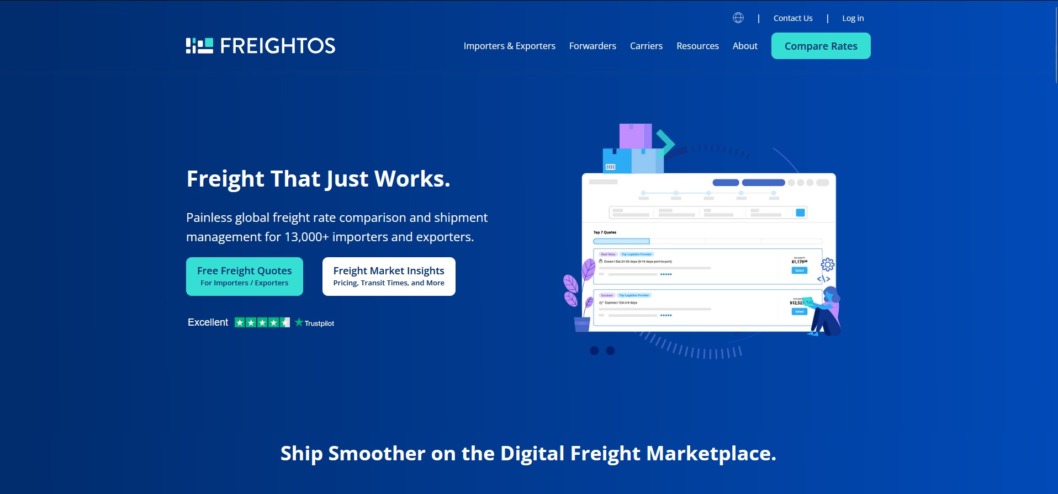
One of the most disorienting parts of running a business is freight shipping. Oftentimes, you have to have your items manufactured in another country, or at least another part of the country. As recently as 10 years ago, getting goods from point A to Point B would have involved calling a freight broker. That’s just not the case anymore.
Freightos is a freight shipping marketplace. Basically, in the same way that Kayak helps you book flights, hotels, and rental cars, Freightos helps you book shipping by air, sea, road, and rail.
This is especially useful now, as new tariffs and trade policy shifts have made international freight pricing more volatile and harder to predict. Freightos gives small businesses transparency and flexibility to get through those fluctuations.
16. Payability
If you’re used to waiting weeks or months before getting payouts, Payability is a good website to keep in mind. Many businesses have trouble with cash flow, often having an insufficient amount of cash on hand to handle long stretches of expenses without revenue.
Payability can help smooth out cash flow problems by making your money available to you nearly immediately. They charge a modest fee of 0.5-1% for doing so, which can be worth the expense during an intense cash crunch.
This can be particularly helpful when global supply chain delays or new import tariffs increase inventory costs and strain your usual payout cycle.
17. Trustpilot
If you need to evaluate the quality of vendors you’ve never worked with before, Trustpilot is one of the best places to check. It’s no secret that online reviews are easy to game at this point, but Trustpilot does a better job of resisting that than most other sites.
Trustpilot creates a proprietary TrustScore for companies, which incentives companies to have a large number of recent reviews. Companies without a lot of reviews or with nothing but old reviews will not rank as highly as companies with recent, positive reviews.
Customers can see where reviews came from and they can also see why reviews were flagged. This gives you a chance to see if companies are trying to suppress bad reviews. On the flipside, Trustpilot gives businesses a good opportunity to plead their case and try to have bad reviews removed. Overall, it’s a remarkably fair system.
18. Slack
Slack is a simple chat room software that companies can use for free, with some paid features. It’s a good way to connect people across long distances. While the concept is nothing new, Slack is particularly popular because of its simplicity, ability to easily share files, and ability to integrate with other popular software.
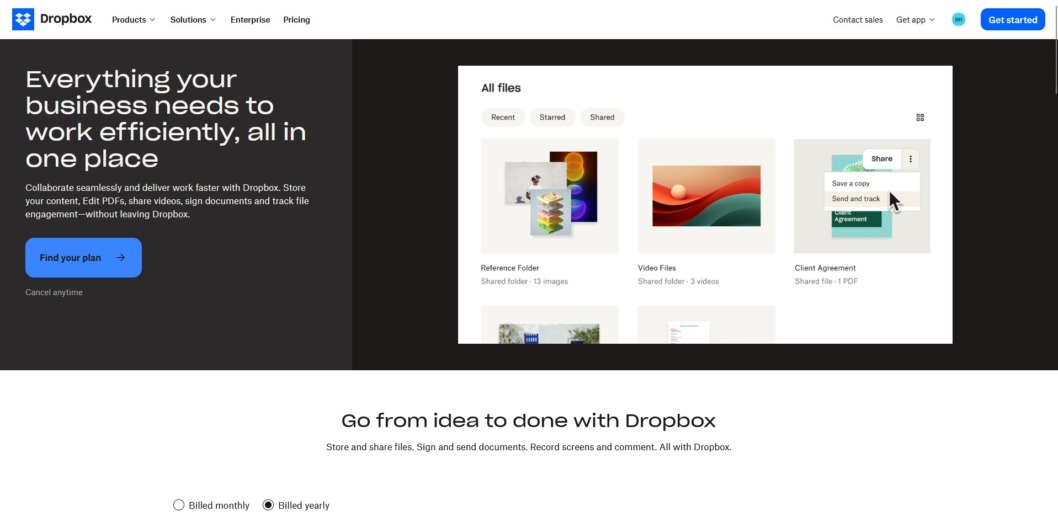
19. Dropbox
Dropbox is a cloud storage app that allows you to keep all your work documents in one place. For business, they charge $15 per user per month for 5 TB of storage space. If you need more than that, you can have unlimited space for $25 per user per month.
20. QuickBooks Online
Small business accounting can be a big pain, but QuickBooks makes it easier. Their online app allows you to track expenses, create and send invoices, manage payroll, and run reports. Most accountants will work with the system too, so it’s easy to get a professional’s help if you use QuickBooks.
21. Better Business Bureau
The Better Business Bureau (BBB) has been around for over 100 years, and for good reason. The BBB grades businesses on a scale from A+ to F based on their trustworthiness. Like Trustpilot, it can be a good way to screen vendors for the quality of their service when you don’t have much info to go on otherwise.
22. Wave
Wave is a free accounting software that helps small businesses track their money. It’s great for managing invoices, expenses, and payments all in one place. Even better, it doesn’t require a lot of accounting knowledge to use.
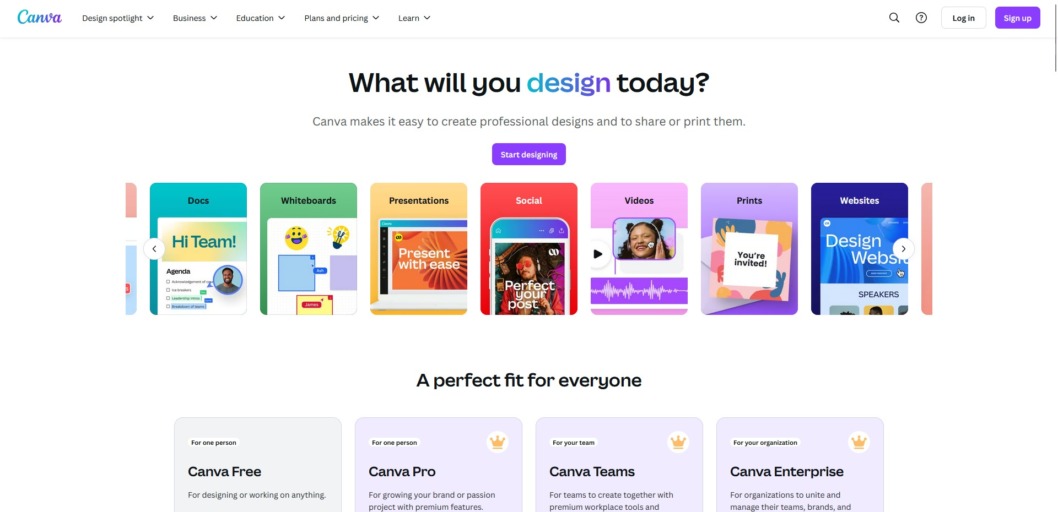
23. Canva
Canva is a design tool that makes it easy to create professional-looking graphics. You can use it to design logos, social media posts, or even brochures. It’s user-friendly, with tons of free templates to get you started.
24. Klaviyo
Klaviyo helps small businesses create email marketing campaigns. Whether you’re sending newsletters or special offers, it’s simple to build and track emails. They also offer helpful tools like automated follow-ups and audience segmentation.
25. Fiverr
Fiverr is a marketplace where you can hire freelancers for small tasks. From graphic design to writing, you can find someone to do almost anything. Best of all, you set the price and timeline, so it’s flexible for any budget.
26. Moz
Moz is an SEO tool that helps small businesses rank higher on search engines like Google. It offers keyword research, site audits, and backlink analysis. With Moz, you can improve your website’s visibility and bring in more customers.
27. Trinet
Trinet is an all-in-one HR software for small businesses. It helps manage things like payroll, benefits, and employee records. If you’re looking to simplify HR, this tool can save you time and reduce paperwork.
28. Gusto
Gusto makes payroll and benefits easy for small businesses. It handles taxes, paychecks, and even direct deposits. With Gusto, you can make sure your employees get paid on time, while staying compliant with tax laws.
29. Hootsuite
Hootsuite helps you manage multiple social media accounts in one place. You can schedule posts, track performance, and respond to messages. For small businesses, it’s a time-saver that keeps your social media organized.
30. Upwork
Upwork is another platform where you can hire freelancers for all kinds of jobs. Whether you need a writer, developer, or virtual assistant, you can find them here. It’s perfect for outsourcing work without hiring full-time staff.
31. Square
Square lets small businesses accept payments easily, both online and in person. Their point-of-sale system is user-friendly and works on mobile devices. It’s a great option for shops, restaurants, or anyone needing simple payment solutions.
32. SimplyDuty
Tariffs, import duties, and taxes can eat into your margins fast. Even more so if you’re not calculating them correctly. That’s where SimplyDuty comes in.
SimplyDuty is a landed cost calculator that helps you figure out the full cost of importing goods, including customs duties, taxes, and shipping. It supports over 140 countries and integrates with Shopify, WooCommerce, and other platforms to automate duty calculation at checkout.
As recent changes in U.S. trade policy continue to affect import costs, SimplyDuty is a must-have for eCommerce businesses that source or sell internationally.
33. LastPass
Small businesses are prime targets for cyberattacks, with a huge amount of those breaches targeting small companies. LastPass is a password management tool that helps protect your business by generating and storing strong, unique passwords for all your accounts.
LastPass allows team members to securely share login credentials without revealing actual passwords. This is crucial when multiple employees need access to social media accounts, vendor portals, or business software. The business version includes features like two-factor authentication, security monitoring, and the ability to revoke access when employees leave.
34. Stripe
While Square works well for in-person transactions, Stripe is the preferred payment processor for online businesses. Stripe handles credit cards, digital wallets, and international payments with transparent pricing and no monthly fees.
What sets Stripe apart is its flexibility and developer-friendly features. It integrates easily with most eCommerce platforms and can handle complex payment scenarios like subscriptions, marketplace transactions, and multi-party payments. Stripe also provides detailed analytics and fraud protection tools.
For businesses selling internationally, Stripe supports over 135 currencies and handles tax calculations for different countries. This makes it incredibly helpful for eCommerce businesses looking to expand globally without getting having to figure out different payment processes for every country in the world.
Final Thoughts
We hope that you find this list of websites helpful in your small business journey! Notice any good websites we left off? Reach out on social media and let us know – we’d love to take your feedback and make this post even better!
Can you imagine trying to organize international trade without a standard code system? That’s why Harmonized System Codes—HS codes, for short—exist: to standardize the classification of goods for international trade.
HS Codes were first introduced in 1988 by the World Customs Organization (WCO). Despite the technical sounding name, HS Codes have helped detangle a really complicated logistical problem.
Today, this system is more critical than ever. As of late, U.S. tariff policy has seen some major changes. Coming along with that are an increase in global trade disputes and large changes to free trade agreements (FTAs).
That means that even small changes in code classification can dramatically affect duty rates, compliance requirements, and, ultimately, your bottom line. Whether you’re importing electronics, textiles, or raw materials, the correct HS Code isn’t just a formality. More than ever, it can make or break your margins.
HS Codes help countries efficiently trade goods and calculate duties owed for imports and exports. In this guide, we’re going to talk about what you need to know about HS Codes in order to trade goods internationally.
Understanding HS Codes
As mentioned above, HS Codes are used globally to identify and categorize products for customs and trade purposes. But let’s break that down a bit further.
What Are HS Codes?
HS Codes are numerical codes used to classify products in international trade. Each code consists of six digits: the first two digits represent the product category. The next two indicate the subcategory. The final two further specify the product. This system makes it easy to have uniform classification across borders.
For example, 0101.21 classifies “live horses, purebred breeding animals.” No matter where you are, 0101.21 always means the same thing.
Many countries expand on the six-digit HS Code to create more detailed tariff codes. For example, the United States uses the Harmonized Tariff Schedule (HTSUS), which adds four more digits to specify duty rates and trade treatment in more detail.
How HS Codes Work in Global Trade
HS Codes standardize product classification worldwide. That way, countries can seamlessly trade with one another.
Accurate codes are essential for compliance with international trade regulations. Incorrect codes can lead to delays, fines, and even seizure of goods. Using the right codes helps businesses clear customs without a hassle.
This is so important in today’s more heavily tariffed world. Put plainly, improper classification can have even broader consequences. If your product falls under a newly tariffed category—due to Section 301 tariffs on Chinese goods, Section 232 tariffs on steel and aluminum, or retaliatory tariffs from other countries—you could face unexpected duties of 10% to 25% or more.
This is not something you’ll want to gloss over. Even minor misclassifications can significantly inflate your landed costs or expose your business to audits and penalties.
These compliance challenges have become even more critical due to recent policy changes.
The New Reality: Widespread Tariffs and Eliminated De Minimis
The normal day to day operations of trade changed a lot in 2025. The elimination of the de minimis threshold means that virtually all U.S. imports now undergo customs scrutiny and potential duty assessment, regardless of value. Previously, small shipments under $800 could enter the U.S. duty-free without formal entry procedures. Now, even a $10 item requires proper classification and may be subject to tariffs.
This change particularly impacts eCommerce businesses and small importers who previously relied on the de minimis exemption. Every package now needs accurate HS code classification, proper documentation, and duty payment where applicable. The administrative burden has increased exponentially for businesses that ship many small packages.
Simultaneously, tariffs have become more widespread and complex. Where free trade was previous the status quo, we now see broad-based tariffs, retaliatory measures, and changing trade relationships. What was once a predictable environment has become a maze of changing rates, temporary measures, and country-specific restrictions.
Using HS Codes for Goods Classification
To classify goods with HS Codes, follow these steps:
- Identify the Product’s General Category Begin by identifying the general category your product falls into. For example, if you’re importing shoes, you’ll start by looking under categories related to footwear.
- Find the Corresponding Chapter Use the Harmonized Tariff Schedule (HTS) to find the corresponding chapter for your product’s category. The first two digits of the HS Code represent this chapter. For instance, shoes might fall under chapter 64.
- Narrow Down to the Specific Heading and Subheading Next, narrow down within that chapter to find the specific heading and subheading. The next four digits will provide more detail. For example, 6403.59 would be for “other footwear with outer soles of leather.”
- Verify the Code in the HS Code Database Finally, verify the code using an HS Code database to ensure accuracy. You can use online HS Code search tools, consult with customs experts, and refer to the product’s specifications for precise classification. For example, websites like the WCO’s HS database or your national customs website can be invaluable resources. Some businesses also use duty calculators like SimplyDuty to preview how different classifications may affect final landed cost under different tariff schedules.
Accurate classification helps you comply with international trade regulations. And that can help you avoid costly errors in duties and taxes.
Impact on Tariffs and Taxes
Correct HS Code classification directly affects tariff rates and import taxes. Accurate codes ensure that the right duties are applied, preventing overpayment or underpayment.
Misclassification can lead to nasty financial surprises, such as unexpected tariffs or penalties. For example, classifying electronics as clothing can result in higher duties and fines, impacting the overall cost and profitability of imports.
Imagine accidentally classifying a high-end smartphone as a basic mobile device. The resulting tariff discrepancy could be substantial, leading to unexpected costs.
Strategic Classification in a High-Tariff Environment
With widespread tariffs now affecting numerous product categories, strategic HS code classification has become crucial for maintaining profitability. Businesses should conduct regular “tariff mapping” exercises to understand how different classifications affect their landed costs.
Some companies are restructuring their supply chains based on HS code implications. For example, sourcing components separately rather than finished goods, or modifying product designs to qualify for lower-tariff classifications. This requires close coordination between procurement, compliance, and product development teams.
Consider creating classification decision trees for complex products that could potentially fall under multiple HS codes. Document your reasoning thoroughly, as customs authorities are increasingly scrutinizing classifications. The difference between similar codes can mean the difference between a 0% duty rate and a 25% tariff, making this one of the most impactful business decisions you can make.
All this to say, it is becoming increasingly smart for businesses to pursue a strategy of “design for tariff reduction.” And that applies not just to sourcing, but to manufacturing and even product design itself.
Legal and Compliance Considerations
Incorrect code usage can lead to legal issues, including fines, penalties, and shipment delays. To avoid these problems, stay compliant by:
- Regularly Updating HS Code Knowledge. Stay current with changes in HS codes, as they are periodically updated to reflect new products and trade patterns.
- Using Professional Resources and Tools for Classification. Use tools and services from customs brokers and trade consultants who specialize in HS code classification.
- Keeping Detailed Records. Keep detailed records of classifications and corresponding documents. For example, keeping a log of how each product was classified and the rationale behind it can be critical in case of an audit.
Again – can’t stress this enough – accurate code usage is very important for legal compliance and smooth customs clearance.
Advanced Uses of HS Codes
Beyond basic classification, HS Codes are valuable for in-depth trade analysis and optimizing logistics. You may be able to use this information to help your business in ways that go beyond just coordinating the movement of goods from one place to another.
Here are two common advanced use cases of HS codes:
#1: Trade Analysis and Market Research
Businesses use HS Codes to analyze trade patterns, identify market trends, and plan strategically. By examining trade data categorized by HS Codes, companies can assess demand, competition, and market potential.
Tools like the International Trade Centre’s Trade Map and the World Bank’s World Integrated Trade Solution (WITS) provide lots of detailed information. That information, in turn, can be used for strategic planning and market research. As you’d expect, the businesses that use this information can make more informed decisions.
For example, if a company wants to expand into a new market, analyzing trade data with HS Codes can reveal the demand and competition landscape, helping to shape their strategy.
#2: Optimizing Logistics and Supply Chain
HS Codes streamline logistics and supply chain operations by ensuring accurate documentation and compliance. HS Codes help logistics providers manage inventory efficiently and optimize shipping routes. That helps keep up overall supply chain efficiency and cut costs.
As an example, using the correct HS Codes can speed up customs processing. That means shipments move swiftly through ports and reach their destinations on time, ultimately saving money and improving customer satisfaction.
Final Thoughts
Understanding HS Codes is important if you want to be successful in international trade. These codes standardize product classification. If you know where to look, you’ll see these codes come up in a ton of different places, affecting tariffs and customs procedures, not to mention trade statistics.
Accurate classification on your end will prevent costly errors, guarantee compliance, and optimize logistics. Using HS codes properly, and really understanding what they mean, can streamline your import/export processes, reduce delays, and improve overall efficiency.
Further Resources
For more information on HS Codes, check out:
- World Customs Organization (WCO)
- Harmonized Tariff Schedule (HTS)
- International Trade Centre’s Trade Map
- World Integrated Trade Solution (WITS)
Frequently Asked Questions
How do U.S. tariffs affect my imports?
Tariffs are extra taxes placed on imported goods. If your product falls under a tariffed category, you’ll have to pay more to bring it into the U.S. The amount depends on the product’s HS Code and the current tariff rules.
What is the Section 301 tariff?
Section 301 tariffs are extra taxes the U.S. placed on certain goods from China. They affect thousands of products, from electronics to furniture. If your goods are listed, you’ll pay additional duties on top of the normal import taxes.
Can I get out of paying extra tariffs?
Sometimes. Certain products qualify for tariff exemptions or lower duty rates under programs like Section 301 Exclusions or Free Trade Agreements (FTAs). You’ll need to double-check your product’s HS Code and eligibility to see if you qualify.
How can I find out if new tariffs apply to my products?
You can check the U.S. International Trade Commission (USITC) website or consult with a customs broker. They can help you stay updated on changes to tariff schedules and trade agreements that might impact your goods.
What is the difference between HS Codes and Tariff Codes?
HS Codes are a global classification system used to categorize traded products. They are used worldwide to classify products for trade. Tariff codes, specific to each country, have extra digits beyond the standard six-digit code. These additional digits offer more detailed duty rates and statistical information.
How often are HS Codes updated?
The World Customs Organization updates the codes every five years to keep up with technology, trade practices, and new products. The next update is in 2027.
Can the same product have different HS Codes in different countries?
The first six digits are universal. However, countries can add more digits to further categorize products based on their specific requirements. This may result in variations in classification.
How do I find the correct HS Code for my product?
To find the right code for your product, check the official database from customs or trade authority in your area. You can also use online tools to find the code based on product descriptions.
What happens if I use the wrong HS Code?
Using the wrong code can cause problems with tariffs, leading to paying too much or too little. It can also cause delays in customs, fines, and legal issues. Proper classification is important for following rules and making customs go smoothly.
“You need to bring your own audience to Kickstarter.” You’ve probably heard that advice if you’re planning on launching a campaign soon. But how do you exactly market your Kickstarter before launch?
It’s not just about “building an email list” or “posting on social media.” There’s nothing wrong with those strategies, but without a larger plan and more context, they probably won’t work.
If you want to know how to market a Kickstarter campaign, the first thing you should know is that you need a holistic strategy. To build an effective marketing plan, you need to combine many different methods to succeed.
To help inspire you to succeed in your campaign launch, we’ve compiled a list of 24 proven strategies to help you build anticipation and attract backers.
Pre-launch Planning
The best time to market a Kickstarter launch is months before you go live. Anyone who wants to know how to market a Kickstarter campaign should keep this in mind at all times!
Here are some ways you can get a jump-start on pre-launch marketing planning. That way, you can get started even while you’re hammering out the details of your product.
#1: Build an email list.
Create an email list of interested potential backers. Use signup forms on your website and social media to collect email addresses. Send regular updates and exclusive previews to keep your audience engaged and excited about your upcoming launch.
For example, send a bi-weekly newsletter with behind-the-scenes photos, sneak peeks of your product. You can even give out special early-bird offers that make your subscribers feel like VIPs.
#2: Create a teaser website.
Develop a teaser website to showcase your project. Include compelling visuals, a brief description, and an email signup form. A teaser site builds curiosity and allows you to capture leads who are interested in your campaign.
For instance, you can add a countdown timer to your launch date, a gripping video introduction, and testimonials from influencers or beta testers who have tried your product.
#3: Develop a social media presence.
Establish your social media presence on platforms like Instagram, YouTube, and TikTok. Share engaging content related to your project to build a following. Consistent posting and interaction with your audience can help create a loyal community before your launch.
Post regular updates, like development milestones, fun facts about your team, and polls to get feedback from your audience. Don’t forget to engage with comments and messages to build a strong connection with your followers.
#4: Produce a pre-launch video.
Create a short video to introduce your project and its goals. Share this video on your website, social media, and email list. A well-produced video can make people excited and clearly explain your project’s value.
Good pre-launch videos have the following qualities:
- They’re visually appealing.
- They tell compelling stories.
- The purpose of the project is clearly explained.
- They show the product in action.
- When available, good videos have testimonials and reviews.
- They end with a clear call to action like “join my email list” or “follow on social media for updates.”
#5: Validate your concept with beta testing.
Before finalizing your campaign, recruit beta testers to try your product and provide honest feedback. Document their experiences through video testimonials, written reviews, and usage data.
This validation serves dual purposes: it helps you refine your product and provides authentic social proof for your campaign.
Beta tester testimonials are particularly powerful because they show real people using and benefiting from your creation, addressing potential backers’ skepticism about whether your product actually works as promised.
Content Creation
High-quality content can attract attention and keep potential backers interested. Focus on creating engaging and informative materials that will draw in your audience. That will get them invested in your project’s story, not to mention its financial success.
#6: Write engaging blog posts.
Publishing blog posts about your project’s development, challenges, and goals can work wonders. Share these posts on your website and social media to attract readers and convert them into potential backers.
For example, write a detailed post about the journey from concept to prototype, including the obstacles you overcame and the breakthroughs you achieved. Use an engaging tone, sprinkle in some humor, and don’t shy away from showing your passion for the project.
#7: Design eye-catching graphics.
Create visually appealing graphics to share on social media and your website. High-quality images can capture attention and make your project stand out. Use these graphics to highlight key features and benefits of your project.
For instance, design infographics that break down complex information into digestible, visually striking pieces. Use bold colors, clear icons, and concise text to convey your message effectively.
#8: Record behind-the-scenes videos.
Show the making of your project with behind-the-scenes videos. Share these clips to give your audience an inside look at your process. Authentic, behind-the-scenes content can build a stronger connection with your audience.
One way you could do this is by filming a day in the life of your team. You can show brainstorming sessions, prototype testing, and the fun, candid moments that happen along the way. Transparency makes backers feel like they’re part of the journey.
Community Engagement
Building a community around your project is key for a successful Kickstarter launch. Talk to your audience to earn support and loyalty early on. That way, when launch day comes, you’ll be bringing your own entourage.
#9: Host a virtual launch event.
Organize a virtual event to announce your project and engage with potential backers. Use platforms like Zoom or Facebook Live to host your event. A launch event can drum up excitement and allow direct interaction with your audience.
For example, plan a live demo of your product, followed by a Q&A session where attendees can ask questions and get immediate responses. Offer exclusive perks or early bird discounts to attendees to encourage participation.
#10: Conduct webinars or live Q&As.
Host webinars or live Q&A sessions to discuss your project in detail. Answering questions and providing insights can build trust and interest. These sessions allow you to address potential backers’ concerns and showcase your expertise.
One way you could do this is by scheduling a series of weekly webinars covering different aspects of your project. You could talk about design one week, functionality the next, and future plans in another. Promote these sessions on your social media and email list to maximize attendance.
#11: Participate in relevant online forums.
Join online forums and communities related to your project’s niche. Share your project and engage in discussions. Active participation in relevant forums can help you reach a targeted audience and gain valuable feedback.
Let’s say your project is a new tech gadget. You could join forums like Reddit’s r/gadgets or tech enthusiast communities on Facebook. Share updates, ask for opinions, and respond to comments to build a rapport with potential backers who are passionate about your niche.
But word to the wise: make sure these communities are OK with self-promotion. Both subreddits and Facebook groups have different rules and norms around business use. You want to make sure you fit in.
#12: Collaborate with influencers.
Partner with influencers who can help promote your project to their followers. Influencers can provide credibility and expand your reach. Collaborations can include reviews, shoutouts, or co-hosted events to draw attention to your campaign.
For instance, if your project is a tech gadget, collaborate with a popular tech YouTuber to review your product. They can demonstrate its features and benefits, reaching thousands of potential backers in a single video.
Additionally, consider doing an Instagram Live with an influencer. On that livestream, you could both discuss the project and answer live questions from viewers. This kind of direct engagement can significantly boost interest and trust in your campaign.
#13: Announce an official launch date.
Set and announce an official launch date for your Kickstarter campaign. Use your email list, social media, and website to spread the word. A clear launch date creates a sense of urgency. Plus, it allows potential backers to mark their calendars.
Once a date is chosen, it gives you new options for content creation too. For example, you could create a series of countdown posts on Instagram. Or you could send a series of emails with teasers leading up to the launch. You could also create a Facebook event for your launch date, inviting your community to join and stay updated on the latest news.
#14: Build strategic partnerships with media contacts.
Develop relationships with journalists, bloggers, and industry publications months before your launch.
Research writers who cover products in your category and engage with their content authentically. Share their articles, comment thoughtfully, and build genuine connections rather than immediately pitching your product.
When you do reach out about your campaign, you’ll be a familiar name rather than cold outreach. Create a media kit with high-resolution images, product specifications, founder bios, and key talking points to make journalists’ jobs easier when they decide to cover your story.
Strategic Outreach
Talking with people in your own community is great, but if you want to know how to market a Kickstarter campaign to a wider audience, you need to do some outreach. This is how you connect with more people and gain valuable exposure. Use these methods to expand your reach and attract potential backers.
#15: Partner with complementary brands.
Collaborate with brands that complement your project. Joint promotions and cross-marketing efforts can introduce your campaign to new audiences. Partnerships can provide mutual benefits and increase your project’s visibility.
For instance, if you’re launching a new eco-friendly backpack, partner with a sustainable clothing brand. You can co-create a bundle deal or host a giveaway on both brands’ social media accounts.
This way, you tap into each other’s customer bases. This is an easy way to expand your reach and draw more attention to your Kickstarter.
#16: Do some guest posting.
Write guest posts for popular blogs in your niche. Share insights about your project and include a call to action for your Kickstarter campaign. Guest posting can help you reach new readers and drive traffic to your campaign page.
For example, if your project is a health and wellness product, write a guest post for a well-known fitness blog. Share your story, the problem your product solves, and why you’re passionate about it.
Include a link to your Kickstarter at the end, encouraging readers to support your campaign.
#17: Send out press releases.
Distribute press releases to announce your upcoming Kickstarter launch. Target media outlets that cover your industry. Press coverage can generate buzz and lend credibility to your project, attracting more potential backers.
For instance, if you’re launching a new tech product, send a press release to tech news websites and magazines. Highlight the unique aspects of your product, your campaign launch date, and how backers can get involved.
You can do this by reaching out directly to media outlets like local TV and radio. For this, HARO and Qwoted can be good ways to get in touch. Otherwise, you can use PR firms like EIN Presswire for widespread press release distribution.
A well-written press release can lead to articles, features, and interviews that boost your project’s visibility. But do note – the best results come from building real relationships with reporters. That will take more time than sending basic press releases in bulk.
#18: Schedule interviews on podcasts.
Appear on podcasts relevant to your project’s niche. Share your story and details about your Kickstarter campaign. Podcast interviews can help you reach a dedicated audience and build a personal connection with potential backers.
If you’re launching a new board game, get interviewed on a popular gaming podcast. Discuss your inspiration, the game’s mechanics, and what makes it unique.
Sharing your passion and vision directly with listeners can create a strong emotional connection. That motivates folks to support your campaign.
It’s worthwhile to note that podcasters also tend to be connected with other industry pros. If you hit it off with the podcasters, you might find yourself talking to other movers and shakers in the industry.
Advertising and Promotions
Advertising and promotions can boost your campaign’s visibility and attract more backers. While nothing beats organic reach, some smart use of paid media can really help you spread the word quickly. Here are some tips on how to do that.
#19: Run targeted social media ads.
Create targeted ads on platforms like Facebook and Instagram. Focus on reaching people who are likely to be interested in your project. Social media ads can drive traffic to your campaign page and increase backer conversions.
Let’s say you’re launching a new fitness gadget. In that case, you could target ads towards fitness enthusiasts, gym-goers, and health-conscious individuals. Use eye-catching visuals, compelling copy, and a strong call to action to grab attention.
Experiment with different ad formats like carousel ads, video ads, and stories to see what works best.
When in doubt, start slow. Revise your ads until you find something that wins leads for a low cost. Then you scale up from there.
#20: Set up a referral program.
Encourage your audience to share your campaign by offering referral incentives. Reward them for bringing in new backers. A referral program can help spread the word and attract more supporters through word-of-mouth.
For example, offer a discount or a special perk for every backer someone refers to your campaign. Create a unique referral link for each backer so they can easily share it with their friends and track their rewards.
This not only motivates your existing backers but also expands your reach through their networks.
#21: Offer exclusive previews to early supporters.
Give early supporters exclusive previews of your project. This can include sneak peeks, early access to content, or special updates. Exclusive previews create a sense of involvement and appreciation, encouraging early backing.
For instance, send out a behind-the-scenes video or a first-look demo of your product to your email subscribers before the public launch. Make them feel like insiders with access to special content. This can make them more likely to support your campaign and spread the word.
Analytics and Feedback
Analyzing data and gathering feedback can help you refine your campaign. After all, it’s really just at technical way to listen to your backers.
With good data on your site, you can make your Kickstarter into something people can’t wait to back. Here are some strategies on how to be use feedback in a smart, effective way.
#22: Use A/B testing for your campaign page.
Run A/B tests on different elements of your campaign page. Good condidates for A/B tests include headlines, images, and calls to action. See which versions perform better.
It’s simple but it works – A/B testing can help optimize your page for maximum conversions.
Let’s consider one way you could do this right now. Start by testing two different headlines. See which one attracts more clicks. Run with the headline that performs best.
You can use the data from A/B tests to make informed decisions and improve your campaign’s performance.
#23: Gather feedback through surveys.
Send out surveys to your email list and social media followers to gather feedback on your project. People love sharing their opinions and you can use what they say to make improvements. This is the easiest way to figure out what’s stopping people from backing so you can address those concerns.
For instance, create a short survey asking about their first impressions of your project, what they like, and what they think could be better. Use this feedback to tweak your campaign and make it more appealing to your audience.
#24: Monitor and adapt to audience analytics.
Monitor metrics like traffic, engagement, and conversion rates. Adapting to your audience’s behavior and preferences can help you fine-tune your strategy and get more backers.
Let’s say you notice a spike in traffic from a particular social media post. You can figure out what made it so effective and replicate that strategy in future posts.
Keep an eye on where your backers are coming from and what content resonates with them the most.
Final Thoughts on How to Market a Kickstarter Campaign
Launching a Kickstarter campaign doesn’t happen overnight. You need a built-up marketing apparatus if you want to succeed.
Luckily, there are tons of ways you can build your audience. This article is nothing more than a list to help inspire you. That way, you can market your Kickstarter campaign in a way that feels natural to you!
Scaling an eCommerce store sounds amazing—more orders, more revenue, and a larger business overall. There’s a lot to like!
If you want to scale your store, you need to be able to fulfill orders. At first, you can ship your own orders. Then you might choose to hire one third-party logistics (3PL) partner to cut down on the work you have to do yourself.
But what do you do if your company is too big for just one 3PL to handle? What if you want to ship to an international customer base without spending a fortune? That’s where having multiple 3PLs—a 3PL network—comes in.
Of course, that idea itself raises a bunch of questions:
- How many 3PLs do you need?
- When is the right time to expand?
- How do you avoid making expensive mistakes?
Those are huge questions, so to help answer those, we’ve tapped into the expertise of Adayra Lopez, Vice President of Sales at InterFulfillment, a Canadian 3PL that we work with on a regular basis. She has been in logistics for decades and so we are happy to share her insights throughout this piece.
How many 3PLs do I need?
There’s no simple answer to this question. At a basic level, you need enough orders to meet each 3PL’s minimum order volume before even considering adding to your 3PL network. If you have a customer base in the US, Canada, Europe, and Australia but just 100 orders per month, you’re better off picking just one fulfillment center that can reach the most customers with the best price.
Adayra Lopez at InterFulfillment agrees that the answer is rarely one-size-fits-all. “For localized operations, a single 3PL may suffice,” she says. “But for businesses spanning multiple countries, engaging a specialized 3PL for each market often delivers better results.”
Having a solid multi-3PL strategy means you have to think about compliance, infrastructure, and market dynamics. “Each country has unique shipping, customs, and tax regulations,” explains Lopez. For smooth operations with minimal delays, she suggests “partnering with a 3PL knowledgeable about local compliance.”
Geography also plays a defining role. Lopez points to Canada as an example: “Canada’s vast geography and dispersed population require optimized routing and strategically located fulfillment centers.”
In the U.S., the logistics situation is quite different. Lopez notes that “the U.S.’s dense infrastructure supports faster deliveries with a broader carrier network.Local expertise is especially important when it comes to last-mile delivery. “Regional 3PLs leverage strong relationships with local carriers to secure better rates, enhance delivery speeds, and streamline reverse logistics.”
Her recommendation is to focus on assigning a single trusted 3PL to manage all orders within each market. “This reduces complexity, optimizes inventory based on demand, minimizes costs, and simplifies communication,” says Lopez. This analysis lines up neatly with what we’ve observed at Fulfillrite as well.
How do I know it’s the right time to expand the 3PL network?
Scaling your 3PL network too early is an expensive mistake. As a guiding principle, Lopez suggests taking action if you see “a significant uptick in orders from a new country or region.”
Another red flag is declining delivery performance. “Longer shipping times, rising costs, or a drop in customer satisfaction may indicate the need for a local fulfillment partner,” Lopez adds. These issues can erode customer trust and lead to lost sales—a risk no growing business can afford.
It’s also worth considering compliance here as well, with Lopez saying that “if compliance requirements in new markets are too complex to manage internally, local 3PLs with expertise in those areas can help streamline operations.” This is particularly important as laws and regulations vary widely between regions.
Knowing when to add a 3PL to your network, in other words, is very similar to making the decision to work with a 3PL in the first place.
How do I choose the right 3PL for each region?
Prioritize expertise, location, compliance, and technology when evaluating potential partners, says Lopez. “A 3PL with deep regional knowledge can navigate location-specific logistics challenges, such as geographic constraints, customs clearance, and local carrier partnership.”
She further clarifies, saying that “for example, in Canada, fulfillment centers near Toronto or Vancouver act as strategic hubs, providing brands access to key markets and other regions across the nation,” she says. In the U.S., fulfillment centers on both coasts are critical for nationwide coverage.
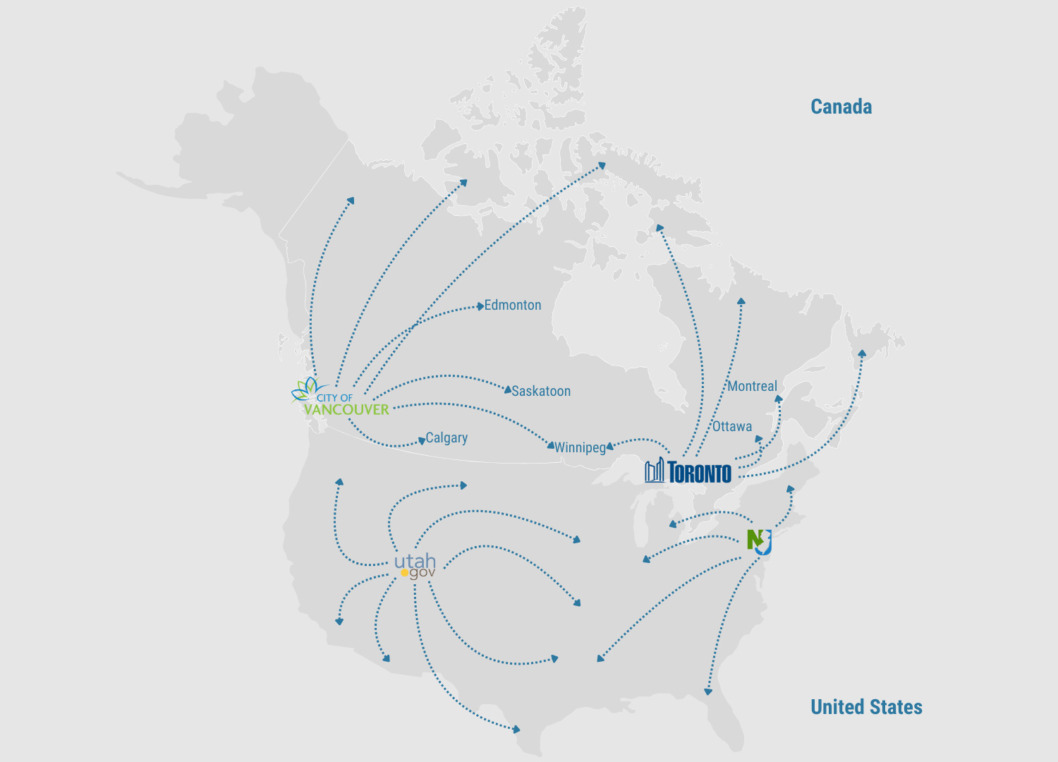
Local expertise doesn’t end with logistics. “Understanding consumer preferences in a region helps optimize packaging, delivery times, and even reverse logistics,” Lopez notes.
On the subject of compliance, Lopez recommends that you “select 3PLs with expertise in local regulatory requirements, such as customs clearance, tax policies, and product labeling.”
Technology is also very important, with Lopez recommending that store owners “look for features like inventory management systems, real-time order tracking, and simplified returns processing.” And, indeed, juggling multiple 3PLs will require each partner to play nice with your inventory system—so make sure you can count on that being the case.
In addition to all the above, be sure to do your due diligence when it comes to reviews, investigating prices, and making sure your potential partners are good communicators.
How does working with multiple 3PLs affect delivery time, cost, and customer service?
Expanding your eCommerce fulfillment network by partnering with multiple 3PLs—each tailored to a specific region or country—can radically overhaul your operations. As Lopez puts it, this approach provides tangible benefits in three key areas: delivery times, costs, and customer satisfaction.
Lopez points out that local fulfillment means inventory “is closer to end customers, reducing transit times.” In practical terms, this means faster shipping, which is critical as customer expectations for quick delivery continue to rise.
Regional expertise also plays a pivotal role in cost optimization. “Partnerships with local carriers minimize shipping costs and overhead expenses,” Lopez explains. A 3PL that knows the intricacies of a region’s logistics can streamline operations, saving money without compromising quality.
The natural result of faster shipping at better prices means happier customers. “Faster delivery and more efficient returns handling improve the overall customer experience,” she notes. This combination of speed and efficiency can boost customer loyalty, which is table stakes for scaling an eCommerce operation.
That doesn’t mean that managing multiple 3PLs is without its challenges, though. Keeping all 3PLs working together “requires robust coordination and seamless technology integration to maintain consistency across the network,” says Lopez. Without a unified system, the benefits of localized logistics can quickly turn into operational headaches.
Lopez emphasizes the importance of selecting the right partners. “To simplify operations and ensure optimal efficiency, it’s critical to partner with a single trusted 3PL within each country,” she advises. She points to Canada as an example, where 3PLs with warehouses in both Vancouver and Toronto provide quick access to major markets on both coasts.
What kind of technology do I need to manage multiple 3PLs?
Managing multiple 3PLs is a complex task that demands advanced technology to maintain efficiency and consistency. According to Lopez, businesses must prioritize tools that provide visibility into order fulfillment and inventory levels, integration with commonly used software, and data you can use to make informed decisions.
“Real-time access to inventory levels across all fulfillment centers ensures better stock control and quicker response times,” says Lopez. This kind of inventory visibility is tremendously helpful for avoiding overstocking or running out of popular products.
System integration is equally important. “Seamless integration between the business and 3PL platforms reduces errors and enhances communication,” Lopez explains. Without smooth data flow, issues like delayed order processing or miscommunication can arise, creating a laundry list of issues that ripple through the supply chain.
Lopez also points out that having quality data can make it much easier to handle the complexities of a multi-country operation. “Insights into key metrics like delivery performance, inventory turnover, and costs help optimize operations,” she says. With this kind of data at your disposal, you can more readily identify weak points, cut unnecessary expenses, and improve service quality.
Automation further streamlines the process. “Streamlined order processing and returns management ensure consistency across multiple 3PLs,” Lopez points out. Automation minimizes manual input, reducing the risk of human error while speeding up fulfillment and reverse logistics.
Finally, unified reporting ties everything together. “Businesses should use a single standardized reporting format for all 3PLs,” says Lopez. This makes data analysis more manageable, enables better decision-making, and makes it where all partners operate under a cohesive framework.
What are some common mistakes to avoid when using multiple 3PLs?
Expanding your fulfillment network to have multiple 3PLs can be risky. But if you know the kinds of issues you’re likely to encounter, you can take steps to prevent them.
The first common one that Lopez lists is ignoring local expertise. “Choosing a 3PL without in-depth knowledge of regional logistics, compliance, or market preferences” is a common mistake. If you make it, the end result could be a nasty combination of delays, compliance penalties, and missed opportunities to cater to customer preferences.
Lopez also suggests another common mistake is “failing to account for differences in infrastructure or population density.” For example, shipping within the U.S. often requires a different strategy than managing fulfillment in Canada, where population centers are more dispersed.
A lack of coordination between internal systems and 3PL platforms is another very common issue. “Poor integration can cause delays and errors,” Lopez warns. This can disrupt the flow of orders, leaving orders unfulfilled, customers frustrated, and businesses scrambling to make things right.
You also don’t want to accidentally preclude future growth and expansion. “Selecting 3PLs that cannot handle increasing order volumes or inventory complexity,” is another common mistake according to Lopez. As eCommerce businesses grow, their fulfillment partners must have the infrastructure and systems to match that pace.
What metrics should I use to measure 3PL performance?
You need a way to measure the performance of your 3PL partners if you want to be sure they’re meeting expectations and supporting your growth. Below is a list of useful metrics that Lopez recommends monitoring to make that happen.
The first metric to monitor is the on-time delivery rate. “This reflects the reliability of the 3PL’s operations,” says Lopez. Late deliveries can erode customer trust and harm your reputation, making this KPI a big one for customer satisfaction.
Another vital metric is order accuracy. “This measures how often orders are fulfilled without errors,” Lopez explains. Mistakes in picking, packing, or shipping can lead to costly returns, refunds, and unhappy customers.
For cost control, track the cost per order. “[This helps] you understand cost efficiency in fulfillment and shipping,” Lopez adds. Keeping fulfillment costs in check without sacrificing quality ensures profitability as you scale.
Inventory management is also crucial. “Inventory turnover indicates how effectively inventory is managed and replenished,” Lopez notes. A high turnover rate suggests efficient stock handling. But a low rate may signal overstocking or slow-moving products.
Lopez lastly emphasizes the importance of customer satisfaction scores. “This captures the end-to-end experience, including delivery and returns,” she says. High satisfaction rates not only drive repeat business but also strengthen your brand’s reputation.
Final Thoughts
Scaling an eCommerce operation with multiple 3PLs requires forethought and planning. Each individual 3PL needs to fit into a larger picture in order to make sure you can ship orders to all of your customers around the world.
Bringing on the wrong 3PLs or bringing on 3PLs too early are both critical mistakes. But if you are careful about timing, proactive about needs assessment, and diligent in vetting individual 3PLs, you can build a global team and dramatically expand your reach.
If you build your 3PL network correctly, you won’t just be scaling your logistics—you’ll be setting the foundation for sustained growth, a competitive edge, and better customer satisfaction. It’s worth the effort to do it right!
The holidays are a great time to acquire new eCommerce customers. They’re also a great time to ship late, run out of stock, and generally derail your eCommerce business. The key difference between the two outcomes: making sure your eCommerce store is holiday-ready.
But how do you do that? There are a lot of things that you need to consider. There is planning and preparation and supply chain management. There’s marketing, promotion, and sales. Then you need to have a plan for after the holidays too!
It’s a lot to take in. So in this guide, we’ve covered every single way we can think of to get your store ready for the holidays. That way, you can plan and prepare your business and have happier holidays as a result!
Planning and Preparation
Effective planning and preparation are the backbone of a successful holiday season. So here is a list of all the things you need to plan out while it’s still warm outside.
#1: Know the holiday shipping deadlines
Get a handle on the shipping deadlines for different carriers to guarantee deliveries land before December 25. Each carrier and shipping method has its own cut-off dates, so staying in the loop on these deadlines helps you plan your shipping schedule. You can then pass this information along to your customers and set accurate delivery expectations.
#2: Review your supply chain
Dissect every part of your supply chain to avoid bottlenecks during the holiday rush. Make sure you have enough inventory on hand and dependable suppliers in case you need more. Your logistics need to be efficient as well, including order fulfillment and replenishment.
Here’s a quick list of what this entails:
- Planning for demand
- Managing materials
- Optimizing inventory
- Lining up transportation
- Coordinating with your warehouse team
Preparing in advance can make your supply chain run like clockwork. That way, you’re not awake three days before Black Friday wondering when your shipment is coming in.
#3: Identify your customers’ pain points
Think about common issues that customers face during the holidays and tackle them head-on. Typical pain points include late shipping, out-of-stock products, and slow customer service response times.
If you spot and smooth out these issues earlier, you’ll keep your customers satisfied and cut down on potential Grinchiness.
#4: Identify your business’s pain points
Think about your business as a whole before you head into the busy season. Are there problems in marketing, accounting, and other departments? It’s easier to deal with problems in August and September than it is in Q4.
The holiday season can stretch every part of your business thin. Solve problems ahead of time so you can stay focused when it counts. It’s easier to run a marathon if you take pebbles out of your shoes first.
#5: Map your returns process
Plan your reverse logistics to handle the uptick in returns during the holidays. You need to have:
- Clear return policies
- Simple return procedures
- A plan to handle those returns when they come in
Doing this helps you plan for returns, which you’ll probably see a lot of in January. But this also helps keep customer trust and satisfaction high, even when returns are necessary.
#6: Plan link exchanges
“It baffles me every year that more eCom businesses don’t participate in link exchanges with non-competitive but similarly ranked websites,” says Joy Youell at Winsome Marketing.
She goes on to explain her logic, saying that “by late October it’s way too late to be posting SEO content that will support much holiday traffic, but link exchanges start working immediately. Site owners should tap into their business networks, as well as a shortlist of good sites, and get their teams to do the outreach and earn this reciprocally beneficial link juice.”
#7: Prepare for increased customer acquisition costs
Holiday advertising costs typically increase due to increased competition. Budget accordingly and consider diversifying your marketing channels.
Paid search and social media ads become more expensive, making organic strategies like SEO content, email marketing, and partnerships more valuable. Start shifting budget toward these channels early.
Also consider testing less competitive advertising platforms or focusing on long-tail keywords that competitors might overlook during the rush.
Inventory and Order Management
You don’t want to run out of inventory during peak sales season. You also don’t want to find yourself unable to fulfill those orders when it counts.
Here are some things you need to make sure you take care of before the holidays.
#8: Estimate your order volume
It’s hard to know how much you will sell during the holidays, but you still need to make your best guess. If you can manage to come up with an accurate prediction, you can dodge both stockouts and overstock scenarios. That way, you can meet customer demand without having a warehouse full of clearance items you’re still trying to get rid of in March.
#9: Stock up on critical supplies
Stockpile packing materials, shipping supplies, and other essentials. Running out of crucial supplies during the holiday frenzy can spell disaster, causing delays and frustration. Prep in advance to avoid last-minute panic trips to overcrowded Costcos.
#10: Hire seasonal workers for holiday shipping
Increase your workforce to handle the higher volume of orders. Seasonal hires can help manage the increased demand without the long-term commitment of permanent staff. Many hands makes light work, after all!
#11: Automate and outsource before you need to
Roll out automation tools and consider outsourcing fulfillment to handle the holiday spike.
You can start with inventory management software like Quickbooks Commerce or Cin7 to automatically track stock levels and reorder supplies. If you ship your own orders, consider using tools such as ShipStation to automate the printing of shipping labels and updating of order statuses.
Outsourcing can also help a ton. Partner with third-party logistics providers like Fulfillrite for warehousing and shipping needs. You can also outsource customer support to agencies like Zendesk to manage inquiries and returns efficiently.
#12: Check all your timetables
Verify all shipment schedules to avoid delays and ensure timely delivery. If you double-check your logistics schedules, then you can rest easy knowing your products will reach customers as expected. That means one less thing to stress about.
#13: Optimize for accessibility
Holiday shoppers include people with various accessibility needs. Ensure your website meets WCAG guidelines with proper alt text for images, keyboard navigation, adequate color contrast, and screen reader compatibility.
This isn’t just about compliance—accessible design improves the experience for all users and can capture sales you might otherwise miss. Test your site with accessibility tools and consider having users with disabilities review your checkout process.
Marketing and Promotion
Strategic marketing can skyrocket your visibility and sales. Smartly crafted marketing and promotion plans can help you acquire customers during the holidays while people are open to shopping new places. Then that means you have a whole new base of customers to potentially retain in the new year!
With that in mind, here are some tips on how to handle marketing and promotion.
#14: Ramp up your marketing efforts
“[Run] early campaigns to build buzz,” advises Deepak Shukla at Digital Marketing Group, “along with offering limited-time promotions.”
The holidays are a good time to increase brand awareness, acquire customers, and encourage repeat purchases. Whatever your standard marketing priorities are, give them extra attention during the holidays.
“Revisit your past campaigns for what has worked well and build on these wins,” says Colton De Vos from Resolute Technology Solutions. “Engage your audience on social media, email newsletters, and wherever else you have an online presence. Ask what they want to see this most this holiday season. Then, when your holiday promotion is ready, send it to customers thanking them for their contribution!”
As a rule, you should expect to generally spend more time and money on marketing during the holidays. And when in doubt, start early!
#15: Plan for gift shipping
Offer gift wrapping services and streamline gift shipping processes. This not only adds value for customers wanting to send gifts directly to recipients but also can significantly boost your sales.
#16: Create custom holiday packaging
The holidays are the perfect excuse to roll out festive packaging! That’s why Starbucks always rolls out the holiday cups as soon as they have a chance.
Design your own festive packaging this year. It will improve customer experience and encourage them to share their experiences online. Attractive packaging stands out in people’s feeds when they’re scrolling and can increase your odds of making a sale!
#17: Promote early shopping
Encourage customers to shop early to avoid last-minute rushes. Early promotions and incentives can help spread out demand. This, in turn, can reduce strain on your fulfillment processes.
#18: Use email marketing campaigns
Send targeted emails to keep customers informed about holiday promotions and deadlines. The goal is to send the right people the right incentive at the right time. Email is one of the best ways to do that, and it’s also inexpensive.
Of all the ways to keep in touch with customers, email is one of the most cost-effective ones.
#19: Create custom landing pages
“Creating dedicated pages to capture traffic from seasonal keywords such as ‘Top Gifts for Christmas 2024’ or ‘Summer Sale Must-Haves,’ will generate sales from customers researching gifts,” says John Butterworth from Mint SEO. “The trick to this type of content is to only write about products your store stocks and to include buttons that add the product to the shoppers cart straight from the post.”
Customer Experience
The holidays are going to bring a lot of first-time shoppers to your site. You want to make sure you are providing the best possible experience so they remember to come back later!
A stellar shopping experience can increase conversions and foster repeat business, ultimately boosting overall sales. Here are some tips on how you can do that.
#20: Optimize your website’s performance
A fast, responsive website enhances the shopping experience and can prevent lost sales due to slow load times. Supercharge your site for speed and ensure it can handle increased holiday traffic. For best results, use GTMetrix to spot problems that might be slowing your site down.
#21: Make sure your website is mobile-friendly
Make sure your website is fully functional and easy to navigate on mobile devices. Many customers shop on their phones, so a mobile-friendly site is square one for capturing these sales.
#22: Improve site search functionality
Upgrade your site’s search features to help customers find products quickly and easily. Efficient search functionality reduces frustration and boosts conversion rates. After all, who likes a store that makes it hard to check out? (IKEA being the exception, of course.)
#23: Personalize customer experiences
Use advanced personalization tools to tailor the shopping experience based on individual customer behavior. Personalization creates a sense of connection and relevance, making customers feel valued and understood.
“Capitalize on personalized marketing and strategic partnerships to stand out during the holiday rush,” says Brandon Schroth, Reporter Outreach. “Segment your audience and tailor the marketing strategy accordingly to suit their buying habits and preferences better. This makes the shopping experience more enjoyable and subsequently improves sales.”
Here are a few examples of what that might look like:
- Personalized product recommendations
- Tailored email campaigns
- Customized promotions
- Behavior-triggered messages (like pop-ups or chatbots offering assistance based on time spend on a page)
Similar to email, the goal is to give the right person the right incentive at the right time.
#24: Implement a loyalty program
The holidays will probably bring new customers to your store. If you can retain them after the new year, you stand to make a lot of money. And loyalty programs can help you do that.
Reward loyal customers with special offers and discounts. This can encourage repeat purchases and increase customer retention.
Sales and Promotions
Offering attractive sales and promotions can drive holiday sales. Here are a few tips and tricks that you can apply to your website to improve your conversion rates and drive sales.
#25: Offer free shipping
Provide free shipping to attract more customers and increase sales. Free shipping is a popular incentive that can boost conversion rates and overall sales.
Think of this way: when you see a shipping upcharge added to items right before you purchase, what do you do? Most people click away and don’t make the purchase.
Don’t do that to your customers!
Free shipping is the easiest way to remove this barrier.
#26: Use influencer marketing
Team up with influencers to tap into their vast audiences and build credibility. Influencers can showcase your products to their followers, amplifying brand awareness and driving sales. Plus, it may be a better deal than buying advertising which tends to be more expensive during the holidays.
“Run interactive campaigns like contests or giveaways on social media,” says SEO Consultant, Jase Rodley. “[This can] engage your audience and encourage sharing to amplify your reach during this busy time.”
Keep in mind that influencers are not just people with a lot of social media followers. Reporters are also influencers, as are reviewers, bloggers, thought leaders, community leaders, and so on. In fact, any well-connected person is a type of influencer.
#27: Set up retargeting ads
Don’t let potential customers slip away—use retargeting ads to reel back those who visited your site but didn’t make a purchase. Because when these reminders come at the right time, they can nudge customers to complete their transaction.
“Many shoppers abandon their carts,” says Paul DeMott at Helium SEO. “A well-timed reminder can bring them back to complete their purchase.”
#28: Offer limited-time discounts
“Creating a sense of urgency can boost conversion rates,” says Michelle Symonds at Ditto Digital. “Countdown timers, banners, and pop-ups can be used to highlight festive sales, limited-time deals, or shipping cut-off dates, encouraging prompt purchases.”
Paul Jozsef at Digital Practice echoes this sentiment, saying “highlight seasonal offers and discounts prominently on your site using relevant keywords like ‘holiday sale’ or ‘festive discounts.’ This helps attract traffic specifically looking for holiday deals.”
The bottom line is that you want to eliminate procrastination as much as possible.
#29: Bundle products
Boost your average order value by offering product bundles. Bundling complementary items adds value for customers and encourages them to spend more. This is one of the easiest ways to increase revenues and profitability.
#30: Create a gift guide
“To stand out during the holiday season, create a gift guide for different demographics or interests,” says SEO Consultant, Jase Rodley. “This will help customers find gifts easily and improve their shopping experience.”
The goal in doing this is to make shopping easy for newcomers. Because people often have a lot of gifts to buy for a lot of people, the information you put in your gift guide can be really helpful. On your end, the gift guide is a handy tool that can highlight popular or unique products.
“To stand out in the holiday rush, we focus on providing users with comparison guides, gift guides, and product reviews in both written and video (YT & Shorts) formats,” says Lana Phillips from Planet of the Vapes. “This ensures that shoppers have all the information they need to make confident buying decisions, boosting trust and increasing conversions.”
Do this right and you can make it easier for customers and boost your sales too.
Customer Support
Exceptional customer support is non-negotiable during the holiday chaos. Top-notch support can turn first-time buyers into loyal customers. Here are some tips on how to handle the human element of the holiday rush.
#31: Extend customer support hours
Provide extended customer support to assist with increased inquiries during the holidays. Longer support hours ensure that customer questions and issues are addressed promptly.
Because people are so busy during the holidays, being able to quickly reach a support rep is a breath of fresh air.
#32: Provide exceptional customer service
Make sure your customer service team is well-trained and prepared for the holiday rush. Give your staff the power to set things right without having to go through bureaucratic hurdles.
Great customer service makes a big difference during the holidays. Remember that people are busy, but not so busy they won’t notice if you handle their problems well.
It’s simple but true – if the shopping experience is a good one, then they’ll be more likely to come back later.
#33: Streamline the return process
Make it easy for customers to return products. And make sure you can handle those returns easily too.
Returns are extremely common in eCommerce. This is even more true around the holidays, when people tend to get gifts they may or may not want.
For that reason, a simple, efficient returns process can improve customer satisfaction and loyalty. And who knows – a gift recipient may return an item, only to be impressed and buy something more expensive. It happens sometimes!
#34: Use the return process as a chance to provide great customer service
Returns are not, in fact, the end of the world. Smart store owners use them to try to retain new customers.
When returns comes in, offer exchanges or suggest alternative products. This can transform a potentially negative experience into a positive one that keeps customers coming back.
#35: Balance customer service with expense management
Fine-tune your returns policy to strike a balance between satisfying customers while also managing costs. Before the holidays, make sure your returns process is efficient and cost-effective while still providing top-notch service.
Post-Holiday Strategies
After the holiday hustle, it’s time to review and refine. These post-holiday strategies can turn the chaos of the holidays into actionable improvements, preparing you for the next season.
#36: When the holidays are over, revisit your processes
Conduct a thorough audit of your holiday operations. Identifying strengths and weaknesses in your performance can help you prepare better for the next busy season, guaranteeing you learn from every experience.
#37: Use returns to ask customers for feedback
Returns are the perfect time to gather feedback. Customers and their opinions can reveal issues with products or processes, helping you make necessary adjustments to improve future offerings and overall customer satisfaction.
#38: Figure out what to do with returned merchandise
If you make a lot of sales over the holidays, you’ll see a lot of returns too. You need to figure out what to do with them in advance.
Decide whether to restock, recycle, or donate returned items. Managing your returns properly can save costs and help you position your company as eco-friendly.
#39: Offer gift cards
Gift cards are a versatile option for customers and a boon for business. They cater to last-minute shoppers and drive future sales, making them an excellent addition to your post-holiday strategy.
#40: Leverage post-holiday data for next year
Immediately after the holidays, compile detailed performance data while it’s fresh. Track which marketing channels delivered the highest lifetime value customers, which products had the best margins, and which operational challenges cost the most time or money.
Create a holiday performance report that becomes your planning document for next year, including specific recommendations and budget allocations based on actual results.
Security and Optimization
If your website is slow before the holidays, it’s going to dramatically lower your sales potential. You will want to make sure that’s not an issue before the sales start coming in.
And while you’re doing technical work, it’s a good idea to beef up your security anyway. Santa knows if hackers are being naughty or nice, but it’s better to keep your site from being breached in the first place. That will keep you safe while you’re waiting on him to deliver a payload of coal to the bad guys.
#41: Secure your website
The eCommerce holiday season is a great time to be a cybercriminal. That’s why you should implement solid security measures to protect customer data and transactions.
If nothing else, make sure your passwords are secure and you have two-factor authentication turned on. These are among the most common vulnerabilities sites have and they take five minutes to fix.
#42: Proofread meticulously
It’s a pain, but you need to do it. Proofread all your pages and make sure there are no mistakes.
Your content needs to be error-free to maintain credibility. Remember: high-quality, accurate content will increase the odds that people trust you. (Who wants to give credit card info to a store riddled with typos?)
#43: Hire a professional editor
Proofreading on your own is good. Having a professional do it is better.
If you can afford it, consider hiring an editor to polish up your website and campaign materials. Not only will they catch typos, they may be able to generally tighten up your copywriting as a whole. That can dramatically improve your conversion rates.
#44: Optimize checkout process
Simplify your checkout process to reduce cart abandonment. You want it to be as easy as possible to make that first purchase.
If nothing else—make sure people don’t have to make an account to make a purchase. (No one will bother to do that!)
#45: Use analytics to track sales
Make sure you have a sales analytics system set up before the holiday. The sales data you gather this season will help you make smart decision in the long run. For example, your sales data might make it easier for you to upsell or cross-sell in the future.
#46: Test your processes
You don’t want your website to break on Black Friday. Nor do you want your shipping operations to fall apart on December 22.
Test all aspects of your operations to make sure they’re running smoothly. Preventative maintenance is easier than troubleshooting under pressure!
Final Thoughts
When you run an eCommerce store, planning for the holidays requires a lot of work ahead of time. You need your inventory management and supply chain to be all figured out. Customer support needs to be trained and ready to go. And your sales and marketing both need to be on point.
It’s a lot to take in. But by thinking in advance, you can dramatically increase your odds of having a successful holiday season.
These tips should help get your eCommerce store holiday-ready. That way, you can confidently deal with increased demand, deliver great experiences, and retain customers for the years to follow.
Every successful business needs to make a profit. But no matter how much revenue you bring in, if your operations are inefficient, your company will either underperform or take a loss.
This is a hard fact of life and business. There’s no getting around it.
Lean supply chain management is a way to embrace limits and make business operations as efficient as possible. It’s an attractive promise, and it’s not hard to see why lean supply chain management is a common buzzword in the business world.
Lean principles have been taught for years in everything from books for start-ups to Fortune-100 companies. It’s no surprise to find lean principles at work in the supply chain too.
In this article, we’re going to talk about lean principles first, then talk about lean supply chain management. We’ll go over the advantages and disadvantages of going lean. Then we’ll talk about how you can make your supply chain leaner.
What Does “Lean” Mean?
First, let’s start with the definition of lean principles. There are five of them, and once you understand them, you can start to see how they can be applied to the supply chain.
- Define Value. Figure out what is important to your customer, including needs that have previously been unmet or even unmentioned.
- Map the Value Stream. Determine how each activity your business performs contributes – or doesn’t contribute – to delivering value to the customer.
- Create Flow. Determine which activities are needed to deliver value and do them as efficiently as possible.
- Establish Pull. Basically, eliminate wasteful inventory practices.
- Pursue Perfection. Always improve.
It’s a simple, elegant system with a lot of applications. Figure out what’s useful. Figure out the best way to be useful. Fix what doesn’t work. Rinse and repeat.
Now let’s talk about how you can apply that to supply chain management.
What Does Lean Supply Chain Mean?
As you can see from the principles above, the Lean Way is all about streamlining processes, eliminating waste, and reducing non-value added activities. It’s a business philosophy that is extremely relevant in complicated industries.
Supply chain management is nothing if not complicated! You can find waste and inefficiency at nearly any step of the supply chain if you try hard enough.
In procurement, it’s common for different departments to do the same thing. Manufacturing is a hotbed for material waste if done wrong. Warehousing costs can quickly spiral out of control without good inventory practices. And transportation? As anyone who’s ever moved across town with a U-Haul knows, it’s not easy to pack efficiently!
On the flip side, a lean supply chain is a laser-targeted mechanism for delivering value to the customer. Very little is wasted, whether time or material. Expenses go down and often revenues go up.
10 Advantages of Lean Supply Chain Management
Adopting lean supply chain principles can have a lot of benefits. These benefits range from saving money to simplifying processes. We can think of ten that are especially relevant for businesses that carry inventory, listed below:
-
- Eliminating waste saves money. Profit is nothing more than revenue minus expenses. Lean processes cut expenses and can often lead to efficiency gains that increase revenue as well.
- Lean supply chain management is a proven way to cut down on waste. Waste costs money, looks bad, and puts a subconscious psychological strain on workers. This results in poorer customer service.
- Less waste means better customer service. Fewer wasteful practices allow your company to create better products and provide better services, making customers happier.
- Lean management clarifies vague processes. Vague processes force workers to make too many decisions, which results in poorer decision making. Lean supply chain management is a great way to remove complexity.
- Lean supply chains require less inventory. One of the five main points of lean supply chain management is to reduce excessive inventory. This is fantastic for businesses since inventory is expensive!
- Carrying less inventory makes it easier to reinvest in different projects. It’s a lot easier to roll with changes in demand with lower inventory levels. This can save a ton of money, leaving valuable company resources available for more promising projects.
- Lean processes are faster. With simpler processes, it’s easier to eliminate time-consuming parts of the supply chain. That can reduce excessive lead times in the supply chain, giving your company a much better chance at responding to changes in the market.
- Simpler processes result in less damage. More carefully crafted processes typically result in fewer damaged items.
- Unnecessary labor costs are reduced since unnecessary processes are eliminated.
- Decision-making is easier. The simplicity provided by lean supply chain principles makes it a lot easier to generally understand what’s going on in your business. That means you can set more relevant goals.
When you look at this list, it seems like moving toward lean supply chain principles is a no-brainer. But it’s not quite that simple, since there are disadvantages to the approach as well. We’ll cover those in the next section.
6 Disadvantages of Lean Supply Chain Management
During the COVID-19 pandemic, supply chains slowed to a crawl. As consumers, we dealt with the consequences of this first through shortages and then through inflation. The initial weeks of slowdown were enough to cause issues for the rest of 2020, as well as 2021 and 2022.
One of the factors that exacerbated these issues was an overreliance on lean supply chains. A lot of businesses did not have enough safety stock. Others did not have contingency plans for unexpected issues.
Bearing that in mind, it’s worth considering the disadvantages of unchecked lean supply chain management so you can take advantage of its good qualities while mitigating the bad ones.
- Leaner supply chains are vulnerable to disruptions. Companies that hold minimal inventory are more vulnerable to natural disasters, political instability, pandemics, and other random unlucky events. The best insurance policy against this is simple — keep extra stock on hand.
- Leaner supply chains are less flexible in some situations. If customer demand becomes highly unpredictable, lean systems may fail to respond efficiently, resulting in stockouts, longer lead times, or the need for costly emergency measures to meet customer needs.
- Lean supply chains tend to over-rely on suppliers. Any delays or quality issues from suppliers can significantly disrupt the entire chain, as there’s little buffer stock to cover shortages.
- Inventory management needs to be more precise. To maintain a lean supply chain, companies often need to invest in sophisticated management systems and forecasting tools. This complexity can increase costs and require specialized skills to ensure smooth operations.
- Going lean isn’t easy to do. Rolling out a lean supply chain can be expensive and time-consuming, requiring careful coordination, process reengineering, and possibly technology investments. The long-term benefits may not always justify the initial cost, especially for smaller businesses.
- Lean supply chains are only as good as their forecast. Inaccurate predictions can lead to inventory shortages or overstocking, negating the benefits of a lean approach.
Lean principles are not a cure-all. Some “inefficiency” in the form of safety stock, back-up suppliers, and redundant processes can be beneficial. Should you decide to move more toward a lean supply chain, keep these issues in mind so they don’t sneak up on you.
How Can You Implement Lean Supply Chain Management?
When you pursue lean principles, you are likely to encounter a number of issues. Employees may not provide complete visibility into the nature of their jobs. There will probably be a political element if your company is large enough to have different departments with conflicting objectives. A large part of implementing lean principles is change management.
With that in mind, we recommend starting small and making incremental changes. If you’re able to effectively make a large number of changes to your organization all at once, all the better.
1. Look for waste to eliminate.
The truth here is simple. Waste is bad and any amount that you can eliminate is great! Here are seven wastes commonly found in the supply chain, as said by Cerasis.
- System complexity – additional, unnecessary steps and confusing processes
- Lead time – excessive wait times
- Transport – unnecessary movement of product
- Space – holding places for unnecessary inventory
- Inventory – inactive raw, work-in-process, or finished goods
- Human effort – activity that does not add value
- Packaging – containers that transport air or allow damage
As a general rule, if you can eliminate waste in any of these areas without causing excessively negative outcomes somewhere else, then do it.
2. Increase process visibility to the point where you intuitively understand what is being done.
Identifying and eliminating waste on your own is a great place to start. Yet even better is getting others to help you.
People don’t like waste or inefficiency in their work. The possible exception being when someone’s job depends on inefficiency as a form of job security. Otherwise, when people see waste and feel empowered to make a change, they’ll make it.
Increasing visibility into opaque processes is a great way to uncover inefficiency so people can collectively come up with ways to improve. This can be done by cross-training, gathering data, or simply holding meetings where everybody shares what they are working on.
Little changes in visibility of work can make a big difference!
3. Use technology to make processes simpler.
Technology is a great way to reduce inefficiency in processes. Properly implemented, systems can force users to be organized and collect data which increases visibility. These factors and more contribute to more lean processes.
We’ll borrow from Cerasis again here and list out some technologies that can help you make your business’s supply chain leaner.
- RFID – an excellent way to track inventory in places such as retail stores
- Supply chain management (SCM) systems with electronic data interface (EDI)
- Customer order management systems
- Customer relationship management (CRM) systems such as Salesforce
- GPS tracking
- Transportation management systems (TMS)
Technology is abundant and its uses incredibly diverse. Before implementing any complex technology, though, be sure to do careful analysis. You need to understand existing business processes and how they relate to the delivery of customer value. Technology done well makes life much easier. Done poorly, technology is just another hurdle to doing great work.
4. Focus on the total cost of fulfillment.
Always keep the end goal in mind. Lean management is all about finding easier ways to give customers something they care about. In lean supply chain management, this is the only thing that matters.
With this in mind, look out for political infighting that causes people or departments to act in ways that are contrary to the customer’s best interest. A lot of times, people are simply doing what is in their best interest. Sometimes the business needs to change so that everyone’s best interests are aligned!
5. Outsource activities when it makes sense.
Often, it doesn’t make sense for a business to perform every function of the supply chain. That is why businesses rely on manufacturers, freight forwarders, and indeed, fulfillment companies like our own.
To put it more simply, if you’re doing something in-house that isn’t a part of your business’s core activities, stop.
For example, acting as your own customs broker often doesn’t make sense. Neither does fulfilling packages on your own either. Don’t be afraid to ask for help.
Final Thoughts
Lean supply chain management is a powerful philosophy. That’s why it has managed to gain such a foothold in the business world. And it’s no secret why, since so much of it works on a common sense level.
Lean principles are sound and can be applied beautifully to supply chain management, where waste tends to be common. With simple principles and a keen eye for process improvements, your business can earn a competitive edge. And who doesn’t want that?
Ultimately, it comes down to some very basic principles: figure out what’s valuable, find the best way to do it, eliminate waste, and continually improve.
Lean principles are no cure-all. A little bit of “inefficiency” can be good, especially in the form of safety stock and contingency plans.
But as a general direction, lean supply chain management is, simply put, a smart, intuitive way to do business. If you take its ideas to heart, you’ll probably save a lot of money and run your business more efficiently along the way.
Roughly 10% of packages get damaged in the mail. Naturally, this is not a comforting statistic if you are in the business of shipping fragile items.
Our source here is the Fulfillment Lab, which considered the average damage rate over 15 billion packages delivered in 2022 and 2023. As you can imagine, for fragile items, the risk of damage is even higher.
The numbers above imply something truly shocking—about 1.5 billion packages are damaged in the mail. How much glassware has been shattered? How many electronics have been ruined? It’s impossible to say for sure.
What we can say for sure, though, is that damaged shipments aren’t just a hassle—they are a huge problem that causes serious economic damage. Broken packages cost businesses money, hurt their reputation, and frustrate customers. And on the buyers’ sides, receiving a shattered item can be disappointing, especially if it’s something rare or sentimental.
And if this happens with an item that was imported into the US for a recipient who had to pay tariff charges? That’s even worse.
In this post, we’ll break down the most common reasons fragile items get damaged and how to pack them properly to lower the odds of damage. Then we’ll talk about what to do if you’re the buyer stuck with a broken package.
4 Common Reasons Items Break in the Mail
We were curious as to why the damage rate for packages sent by mail is so high. So we reached out to Will Schneider, a fulfillment expert at Warehousing & Fulfillment. When asked why packages break in the mail, he cited four common causes. Among them, he lists “poor packaging, mishandling during transit, improper labeling, and inadequate cushioning.”
We’ll briefly expand on each of those causes:
- Poor packaging: Packages move a lot when they’re on the road. Packaging deteriorates over time, meaning that it may fall apart before it reaches its destination.
- Mishandling during transit: A lot of people and machinery handle packages as they go from origin to destination. It’s not uncommon for packages to fall once or more during the shipping process, potentially damaging the contents.
- Improper labeling: Fragile items need to be clearly labeled as fragile. Not everyone remembers to do this, though, leaving postal workers with no idea if they’re picking up a box full of clothes or a box full of fine china.
- Inadequate cushioning: Because of the high risk of mishandling, shippers should pad the inside of packages with cardboard, paper, air cushions, and other similar materials. Not everyone remembers to do this, though, leaving items vulnerable to damage.
Taken together, these four factors lead to a lot of items being damaged in the mail. Luckily, though, shippers can eliminate some of these risks and, if nothing else, mitigate the risk of mishandling by proper packaging. We explain how that works in the following section.
4 Tips To Safely Ship Fragile Items
The risk that packages will be mishandled is a fact of life for shippers. But that doesn’t mean shippers can’t take steps to reduce the odds of items being damaged in the mail. Here are four practical tips that any seller can follow.
1. Use a well-sized rigid box.
The first rule of shipping fragile objects is to choose a rigid box. The last thing you want to do is ship a Faberge egg in a polybag or padded envelope!
Of course, you can’t just grab any box that’s available. It’s tempting to choose a very large box since you would be able to fill it with more bubble wrap, but this isn’t a good idea. According to Packlane, you want to choose a box which has 2 inches (or 5 cm) of extra space on all sides of the fragile item.
The reason for this is simple: you want to have enough room to pad the fragile object without giving the item(s) enough room to rattle around inside the package.
2. Fill excess space with cushioning materials
Once you select the right box, cover the fragile item in bubble wrap. Use as many layers as necessary.
After that, you will want to fill the extra void space with different materials. Your options include paper, bubble wrap, Styrofoam, peanuts, and air pillows.
Paper and cardboard based alternatives are excellent as well, if you’re especially environmentally-conscious.
3. Label your box as fragile.
This is a fairly obvious recommendation, but nevertheless not one that you want to skip. Be sure to write “FRAGILE” in all caps on the box. Write the word on at least three different sides so that people will be more likely to see it. You may also want to add a “THIS SIDE UP” label as well.
4. Insure your package if it’s valuable.
If you’re shipping something really valuable, or even if you ship fragile items regularly, consider insuring your package. You can do this directly through carriers like USPS, UPS, FedEx, or DHL. However, if you ship fragile items regularly, you can also receive a discounted rate from third-party parcel insurers such as Shipsurance.
What should buyers do if they receive damaged items?
Despite the sellers’ best efforts, some packages will inevitably break in the mail. Buyers should be aware of this fact so that they can take action when items arrive damaged. We wrote about this at length in our article, “Who to blame when your package gets lost in the mail.”
But if you’re in a hurry, Will Schneider has simple advice you can follow if your package arrives damaged. “Document the damage with photos, contact the seller immediately, and file a claim with the shipping carrier if needed.”
We couldn’t have said it better ourselves. Though it is worth remembering: shipping damage happens all the time and businesses have processes to resolve these issues. You will most likely be able to resolve your issue and get a replacement item without too much trouble.
Final Thoughts
Shipping damage is very common. But shipping fragile items can be done safely if you take a few precautions.
When in doubt, choose a rigid box that’s the right size, add a lot of padding, and label the package. If all else fails, rest easy knowing that shipping insurance can and often will reimburse you for damages!