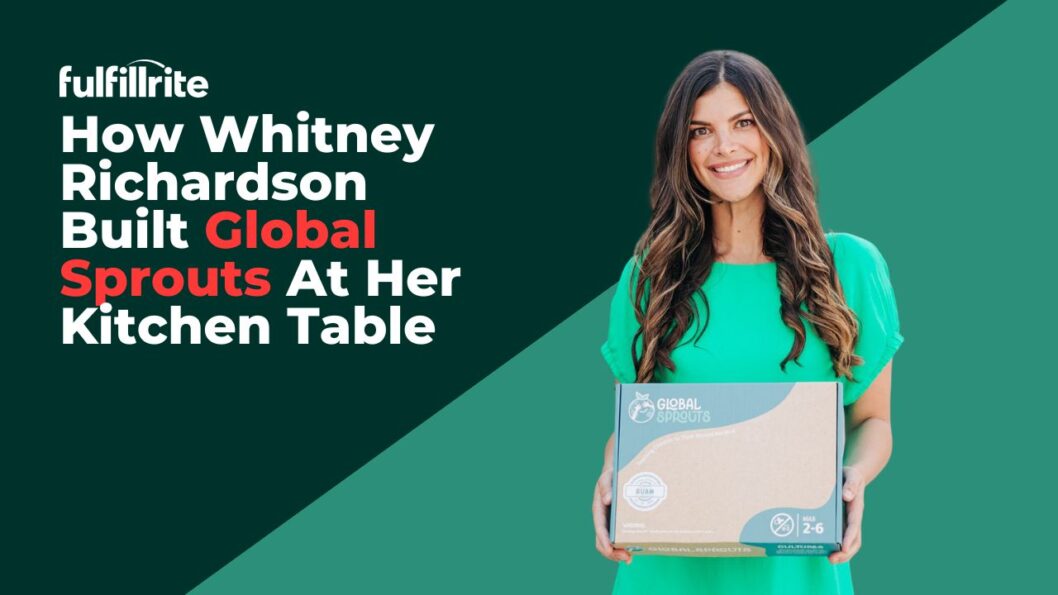
Let’s say you’re a new mom, guardian to your teenage sister, and Hurricane Helene just destroyed your home in Tampa. And all this happened only a few years after a car accident that left you in the ICU.
Most people would not choose that moment to build a business.
Whitney Dueñas Richardson did it anyway.
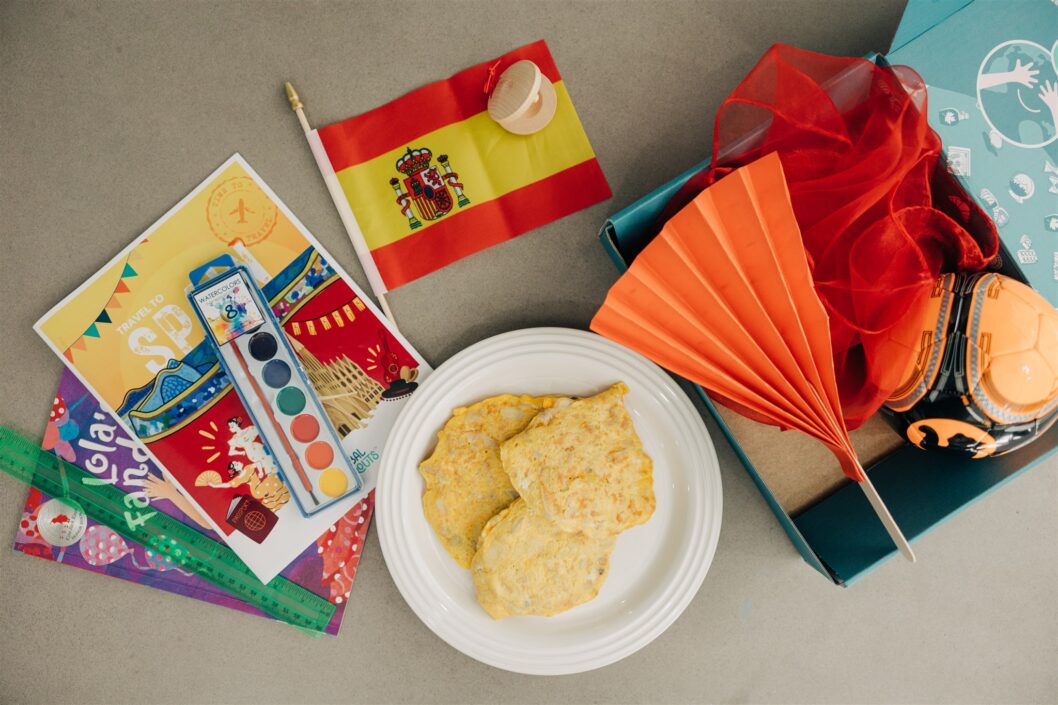
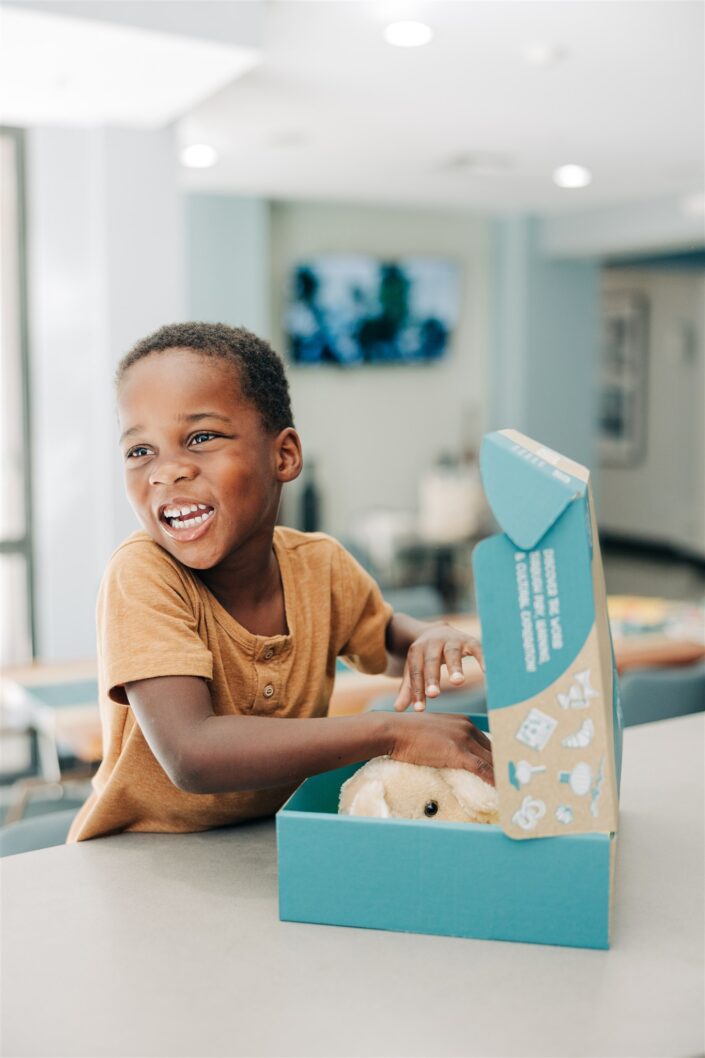
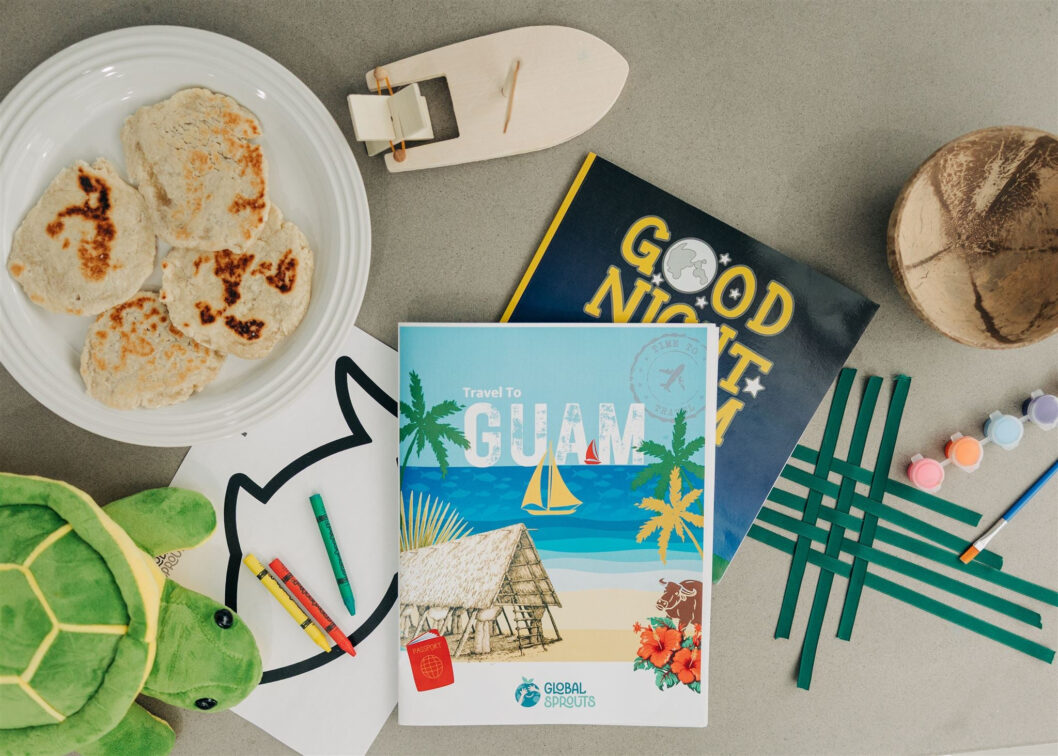
Today, Global Sprouts ships cultural education subscription boxes to families across the United States. At $39.99 per month, each box introduces children ages 2-6 to a different country through hands-on crafts, stories, language learning, and recipes. The boxes are created in partnership with Cultural Ambassadors from each featured country, ensuring authenticity that competitors can’t replicate by Googling.
But Global Sprouts didn’t start in a warehouse or with venture capital. It started at Whitney’s kitchen table, born from a simple realization: she couldn’t find educational materials to teach her daughter about her CHamoru heritage from Guam.
This is the story of how adversity, cultural identity, and corporate marketing experience all came together in the form of a subscription box business.
An Island Most Americans Didn’t Know Exists
Whitney’s journey to entrepreneurship begins with geography—specifically, an island in the western Pacific that most Americans have never heard of.
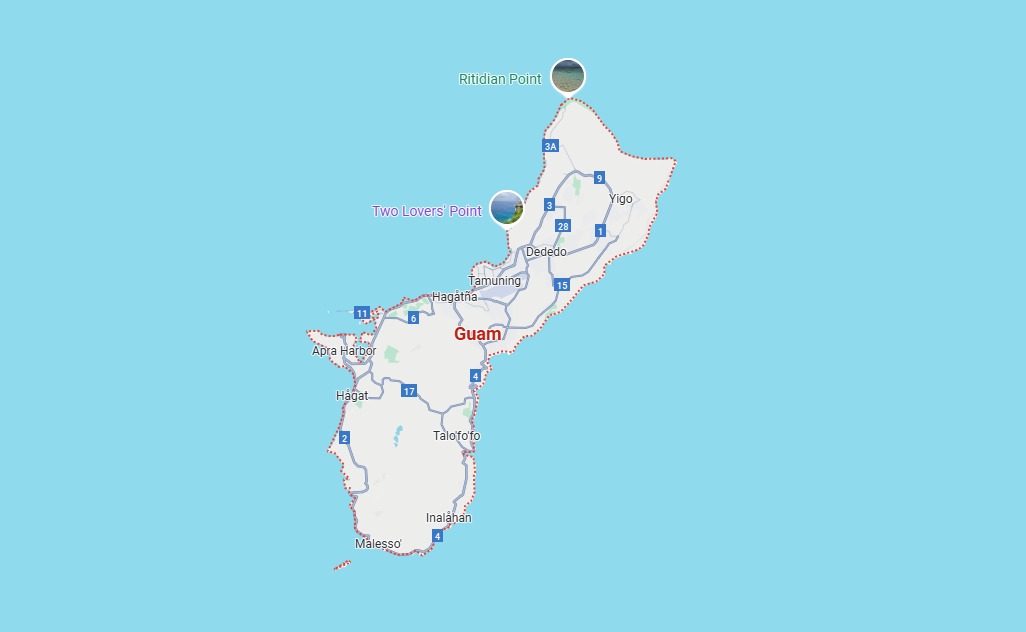
“I am from the island of Guam, part Dutch, and moved to the States in 2013, where very few people knew what or where Guam was,” Whitney explains. “I quickly became ‘Whit from Guam’ because people were fascinated by this island they didn’t know existed.”
That fascination would become foundational to her business years later. But first came the realization that sparked everything.
“When I had my daughter two years ago, I found that very few educational resources taught about my culture,” she says. “As I was scrambling to put together cultural activities for her to learn about her heritage, I realized that there had to be other moms out there like me. Moms who want to teach their child about the world but can’t find resources that teach about the people and children of other countries.”
The gap in the market was obvious once Whitney started looking. Plenty of educational materials existed for teaching ABCs and 123s. STEM boxes were everywhere.
But authentic, age-appropriate materials for teaching young children about global cultures? Almost nothing. Just…crickets.
“Global Sprouts was born at my kitchen table because I want parents, grandparents, and caretakers to have access to materials to raise the next generation to be empathetic and accepting of other cultures,” Whitney says.
The personal motivation ran deeper than a business opportunity. Whitney wanted her daughter to grow up knowing all three parts of her identity.
“When I worked in corporate marketing, I loved the creativity and strategy, but after having my daughter, it shifted,” she explains. “I wanted her to grow up knowing who she is, CHamoru, Dutch, and American, and to love that about herself from the very beginning.”
From Marketer to Founder
Before Global Sprouts, Whitney spent years in corporate marketing at Ferguson Enterprises, a major distributor of plumbing supplies and building materials. That experience would prove essential for how she built her subscription box business.
“My marketing experience at Ferguson taught me to dominate local markets first, then follow the breadcrumbs,” Whitney says. “We started in Tampa, expanded into major Texas cities, and plan to grow from larger markets into smaller ones as we scale.”
But the more valuable lesson from Ferguson wasn’t about geography. Rather, it was about who to sell to first.
“It’s actually very similar,” Whitney explains when comparing Ferguson’s B2B approach to Global Sprouts’ strategy. “At Ferguson, our focus was on building relationships with businesses first, contractors, builders, designers, so when homeowners needed products, they already trusted and asked for us by name. With Global Sprouts, we take that same ‘community first’ approach by connecting with schools, teachers, and educational programs. When children experience our kits in the classroom, they go home excited to share them with their parents. In both cases, it’s about building credibility and trust with the community that influences the end consumer. Paid media simply amplifies what we’ve already built through real connections.”
This B2B2C approach—selling to businesses who then influence consumers—is sophisticated for a subscription box startup. But Whitney’s corporate background gave her the playbook.
The transition from corporate marketing to founder wasn’t just about applying skills, though. It was about purpose.
“It goes back to how I started looking for ways to teach her about her heritage and the world around her, but there just weren’t many authentic, hands-on resources for young children,” Whitney says.
“That gap sparked the idea for Global Sprouts. I realized if I wanted my daughter to grow up proud of her roots and curious about others, other parents probably did too. So I left the corporate world to build something that would help families everywhere raise globally minded, empathetic children.”
ICU, Hurricane Helene, and Building Anyway
The path from idea to execution wasn’t smooth. Whitney faced adversities that would have stopped most entrepreneurs before they started.
“The biggest adversities in my life became the foundation for everything I’ve built,” Whitney says. “Years ago, a car accident left me in the ICU and completely changed my perspective. It made me realize I had been living on autopilot and pushed me to start creating with intention.”
After recovering, Whitney opened and sold a fitness studio. Then came the challenge of balancing multiple roles simultaneously.
“Later, I opened and sold a fitness studio, was a new mom and became guardian to my teenage sister, and rebuilt after Hurricane Helene destroyed our home,” she explains.
Hurricane Helene hit Florida’s Gulf Coast in September 2024 as a Category 4 hurricane with 140 mph winds. While the storm made landfall in Florida’s Big Bend region, the Tampa Bay area experienced a devastating storm surge of 6-8 feet and widespread destruction. Over 1,000 people had to be rescued in the Tampa Bay area alone, to say nothing of the flooding as far inland western Northern Carolina.
For Whitney, Hurricane Helene didn’t just damage property. It destroyed her home while she was building a business.
“Each season taught me resilience, creativity, and empathy, which are the qualities that ultimately shaped Global Sprouts,” Whitney says.
That resilience shows in how she approaches the business itself. Global Sprouts isn’t built on the assumption that everything will go perfectly. It’s built by someone who knows how to rebuild when disaster strikes.
Authenticity Can’t Be Made with Google
In the crowded subscription box market, authenticity is Global Sprouts’ competitive moat. And Whitney protects that moat through the Cultural Ambassador Program.
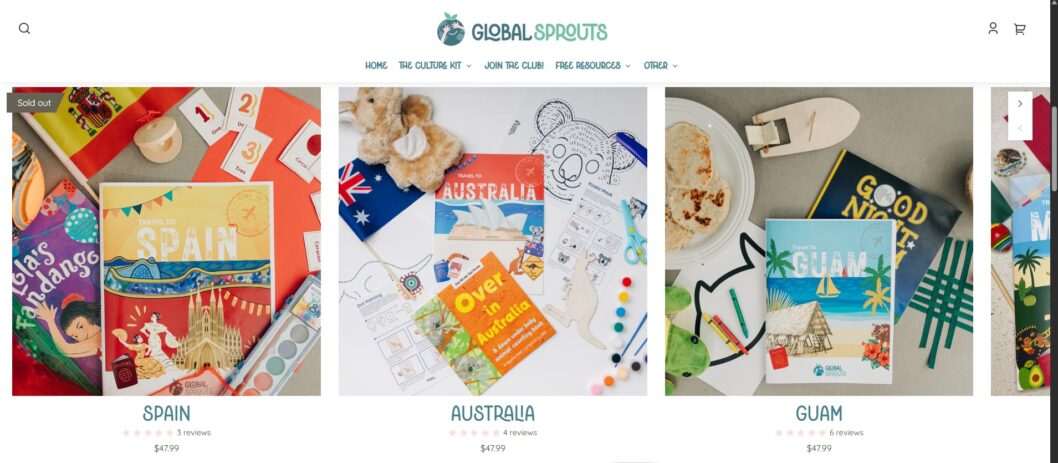
“Authenticity is at the heart of everything we do,” Whitney says. “From the start, I knew Global Sprouts couldn’t just rely on online research or assumptions and we needed real voices and real experiences behind every kit. That’s why we created our Cultural Ambassador Program, partnering directly with people from each country we feature. They help choose the crafts, review storylines, and share traditions, language, and everyday details that make the experience genuine. We compensate them for their time and creativity, because it’s a true collaboration, not extraction.”
This approach costs more than having someone research countries online and create generic activities. But it creates something competitors can’t replicate.
“You can recreate the idea, but not the relationships or perspective behind it,” Whitney explains. “Our Cultural Ambassadors share lived experiences you can’t Google, and I approach every kit as both a founder and a mom, always asking, ‘Would I want my daughter to learn this?’ That mix of authenticity and intention is what makes Global Sprouts impossible to duplicate.”
The program ensures that each box goes beyond stereotypes and surface-level facts. When a box features Japan, it’s co-created with someone from Japan. When it features Costa Rica, it’s built with input from someone who actually lives that culture.
Whitney experienced this need personally during her travels, and it’s why this process is so much a linchpin to Global Sprouts. She says, “when I was traveling to all these countries, I was drawn to the small towns that aren’t tourist hotspots. My family traveled to Samara, Guanacaste in Costa Rica earlier this year and it was so fulfilling to visit local restaurants, watch my daughter play with local children on the playground, and hear stories from the people living there. That was a beautiful experience that furthered my thinking that everyone needs to be able to learn about the world around them, especially children!”
Those authentic experiences, not just guidebook summaries, are what Global Sprouts aims to deliver in every box.
Community Came First, Then Paid Media Second
Whitney’s Ferguson background shaped not just her B2B2C strategy but her entire marketing philosophy.
“It’s definitely a crowded space, but that just means you have to be intentional about standing for something real,” Whitney says about the subscription box market. “Most children’s boxes focus on entertainment or STEM learning, while Global Sprouts is rooted in culture, empathy, and connection. They are authentically created with our ambassadors so parents see the difference immediately.”
But even the most authentic product needs a go-to-market strategy. Whitney’s approach prioritizes community building over paid advertising.
“From a marketing standpoint, it goes back to community first, paid media second,” she explains. “We start local with schools and libraries so families can experience Global Sprouts firsthand before ever seeing an ad. That’s where my marketing background comes in: we build genuine awareness and trust through storytelling, then scale through targeted paid media and social proof. It’s a long game, but it creates customers who stay.”
This approach flips the typical startup playbook. Instead of buying Facebook ads to acquire customers quickly, Global Sprouts invests in partnerships with schools and libraries. Children experience the boxes in educational settings, then go home excited to tell their parents.
The result is customers who come pre-sold on the product because they’ve seen it work with their own children.
It’s slower than blasting paid ads. But it’s more sustainable and creates better unit economics over time.
Why Focus on Kids Aged 2-6?
“We focus on ages 2–6 because those early years are when curiosity and identity start to take root,” Whitney says. “Children at that stage are naturally open-minded and eager to explore, so it’s the perfect time to introduce them to different cultures. Our content is designed with that developmental window in mind and mindful of short attention spans, the benefits of sensory learning, etc. Every activity is simple enough for little hands but meaningful enough to spark connection, helping parents lay the foundation for cultural awareness that grows with their child.”
The boxes are designed around what Whitney calls “FAFO parenting”—giving children space to experience natural consequences and learn through exploration.
“FAFO parenting is about giving children space to experience natural consequences and learn through exploration which aligns perfectly with Global Sprouts,” she explains. “Our kits are designed to let children take the lead by trying, creating, sometimes making mistakes, and discovering what works along the way. It’s not about perfect crafts or memorizing facts but nurturing curiosity and problem-solving. When children are trusted to ‘find out’ for themselves they grow more confident and connected to the world around them.”
This philosophy resonates with parents tired of perfectionism and structured activities. The crafts in Global Sprouts boxes aren’t meant to look Instagram-perfect. They’re meant to be explored, experimented with, and yes, sometimes done “wrong.”
The age range also makes business sense. After mastering ages 2-6, Whitney has room to expand.
“In the next 3–5 years, our goal is to expand Global Sprouts to reach more age groups and represent even more of the world,” she says. The company is already testing interest in boxes for children ages 7 and older.
Representation Has To Be Felt, Not Just Seen
“Representation is built into every Global Sprouts kit,” she says. “We co-create each one with Cultural Ambassadors from that country to ensure the stories, crafts, and recipes reflect real life and not stereotypes. Families have shared that their children light up when they recognize a tradition or language from their own heritage, and others love that their children are learning about cultures beyond their own. That feedback reminds us that representation isn’t just seen but felt.”
One of the countries featured in Global Sprouts is Guam, allowing Whitney to share her own CHamoru heritage with other families. It’s the box she wished existed when her daughter was born.
This dual impact—children seeing their own culture represented while other children learn about it—is what makes the Cultural Ambassador Program essential. Without authentic voices, the boxes would just be another form of cultural tourism. But it’s with the collaboration with ambassadors that they become windows into lived experiences.
The Next 3-5 Years
Whitney launched Global Sprouts with 12 countries featured across different boxes. But the vision is much larger.
“We launched with 12 countries, but our vision is to grow to over 30, giving families a truly global learning experience,” she says. “We’re also developing new activities and resources for older children to continue building empathy and cultural understanding as they grow.”
The expansion isn’t just about more countries. It’s about reaching more children at different developmental stages. The company has already started gauging interest in boxes for ages 7 and older, recognizing that cultural education doesn’t stop at age 6.
But regardless of how many countries or age ranges Global Sprouts eventually covers, the foundation remains the same: authentic voices, hands-on learning, and materials that help children understand the world beyond their own experience.
“I wanted her to grow up knowing who she is, CHamoru, Dutch, and American, and to love that about herself from the very beginning,” Whitney says of her daughter. That personal mission became Global Sprouts’ broader purpose—helping every child know who they are while being curious about everyone else.
You can explore Global Sprouts’ full collection at globalsprouts.com or start a monthly subscription to bring the world to your doorstep.
Key Takeaways
Did you read this piece looking for tips on how to grow your own business? Here are some things that stood out to me.
Don’t wait for perfect conditions to start building.
Whitney went through a lot in her life, including a serious car accident, taking guardianship of her teenage sister, and losing her home to Hurricane Helene. And she credits these conditions with teaching her resilience, creativity, and empathy.
Deep knowledge requires compensation.
The Cultural Ambassador Program pays people for their time and expertise. It’s collaboration, not extraction. This creates a competitive moat competitors can’t replicate by Googling.
Corporate experience translates to startups.
Ferguson’s B2B2C model—build trust with influencers (contractors) who influence end buyers (homeowners)—applies directly to Global Sprouts’ school-first, parent-second approach. Your corporate skills might be more transferable than you think.
Start local.
For Whitney, she started reaching out to schools and libraries. She let families experience products firsthand. Then once she saw how things went, it was only then that she would amplify with paid media.
Subscription boxes are crowded. Stand for something real.
Entertainment and STEM are everywhere. Culture, empathy, and connection are rare. When the market is crowded, narrow your focus and own it completely, as Whitney did by doubling down on cultural authenticity through Global Sprouts.