
You work a full-time 9-to-5 and rush home to eat dinner. Then you work until midnight blending essential oils, hand-bottling products, applying labels, and packing orders.
On weekends, you do more of the same. And on top of all that, you’re burning 8 to 10 hours every month just managing sales tax across 20+ states.
That was Jessica Rich’s life for months while building Bona Dea Naturals, her natural feminine health brand. Today, she’s sold over 150,000 bottles worldwide and earned more than 8,000 five-star reviews on Amazon. But the journey from chronic health struggles to a thriving women’s wellness business wasn’t glamorous. It was grueling, uncertain, and required her to push through moments when most people would have quit.
This is the story of how one woman turned her personal pain into a science-backed solution that’s helped thousands of women. And it’s also a story of how she’s challenging the stigma that all too often surrounds women’s intimate health.
Jessica Started By Solving Her Own Problem
Jessica Rich dealt with a lot of women’s health issues before building Bona Dea—the sort that seemed constant and awfully difficult to resolve. And she is refreshingly forthright and honest about this on the about page of Bona Dea.
As time went on, Jessica found herself distressed by how traditional pharmaceutical treatments kept failing her. She was tired of temporary fixes to recurring infections and wanted something that actually worked. And she wanted this to be done ideally without relying on constant medication.
That’s when she started researching essential oils and their antifungal and antibacterial properties. What began as curiosity quickly turned into deep research. “It felt like going down a rabbit hole,” Jessica says, “pulling late nights combing through medical journals and university studies about essential oils with antifungal and antibacterial properties.”
Here’s the thing: Jessica didn’t have a background in medicine or science. She’d worked in education and nonprofits. Sorting through dense, complex research text took serious effort. But what surprised her most was “how much research already existed, but how little of it had made its way into practical, accessible products for women.”
There was a clear gap between what science showed could help and what was actually being sold.
After months of trial and error, Jessica formulated a recipe that worked better than she imagined. She made her first homemade spray and shared it with friends who were struggling with the same recurring infections she’d dealt with for years. They experienced real relief, just like she had. They urged her to try selling it.
When Jessica made her very first Etsy sale, something clicked. “It hit me: this wasn’t just a personal fix. It was a solution other women had been desperately searching for too.”
In March 2016, Bona Dea Naturals was born.
The Grueling Reality of Scaling Solo
Those early days were a blur of long nights and relentless hustle. Jessica was still working her full-time job. A typical day looked like this: work 9 to 5, come home, eat dinner quickly, then spend the rest of the evening blending, bottling, labeling, and packing orders until late at night. Weekends were more of the same.
She was doing everything herself. Bookkeeping. Shipping. Customer service. Sales tax management. Advertising. Inventory tracking. All of it.
Jessica kept trying to make things more efficient. She went from hand-pouring to acquiring a small machine that would exactly fill each bottle with 2oz of product. She’d been placing each label on each bottle by hand, so she bought a label machine that made the job quicker and more consistent.
But she still couldn’t keep up.
She was managing sales tax across 20+ states where Amazon had inventory placed through FBA. That alone was eating up 8 to 10 hours every month. Every state seemed to have different rules, and it was overwhelming.
And as if that’s not enough, there was also a creeping sense of imposter syndrome.
The tipping point came when she was consistently spending more time on the business than on her actual job—and still couldn’t keep up with demand. She realized she either had to scale differently or burn out completely.
What kept her going during those exhausting months? The reviews. The stories women shared about finally finding relief after years of failed treatments. “That’s when I realized my private struggle could become something bigger—a business with the potential to help thousands,” Jessica says.
But something had to give.
From Kitchen to Contract Manufacturer
Moving from her kitchen to working with a contract manufacturer was the biggest and scariest leap Jessica took.
“I was terrified of losing control,” she says, “of handing my formula over to someone else and worrying it wouldn’t come out the same.” She also had no idea how to navigate purchase orders, freight terms, or minimum order quantities. It was a completely new world.
What Jessica learned is that “manufacturers aren’t just vendors, they’re partners.” Choosing the right one was critical. It forced her to think about her business in a more professional, scalable way.
The moment that shifted her mindset wasn’t abstract—it was physical. “Honestly, receiving the first pallets of my product from a manufacturer instead of seeing rows of bottles lined up in my kitchen made it real for me,” Jessica says. “That physical shift made me see the business as something much bigger than just a ‘side hustle.'”
For other founders dealing with imposter syndrome, Jessica offers this advice: “Don’t wait for someone else to validate you. Growth doesn’t always feel glamorous, but if customers keep coming back and your product works, you’re already the real deal.”
That transition from handmade to contract manufacturing unlocked everything. It gave Jessica the capacity to actually scale. And shortly after, she invested in automation software to handle multi-state sales tax compliance. That was a game-changer. It freed her to focus on growth instead of drowning in spreadsheets.
Mastering Amazon (And Learning Its Dark Side)
In the early years, Amazon felt like a golden ticket. Jessica’s products gained traction fast. Orders poured in. The numbers validated her passion and her product.
But over time, she learned how fragile that success could be.
Without warning or clear explanation, Amazon would remove listings—products she had poured months of research and development into. She’d be left scrambling to navigate vague policies and opaque support channels. Each takedown meant thousands in lost revenue and weeks, sometimes months, of uncertainty. And as the only employee of her company, she bore the full weight of those disruptions alone.
“The pivot came after realizing how fragile my Amazon-dependent business really was,” Jessica says. “One policy change could wipe out months of work and revenue overnight.”
Still, Amazon taught her invaluable lessons. Here are the three most critical things she learned about succeeding on the platform:
Reviews are everything.
“Even a tiny bump in rating can mean a 20–25% swing in sales,” Jessica explains. Customer feedback wasn’t just social proof—it directly impacted her revenue.
Never rely on Amazon alone.
It’s unpredictable. Policy changes, listing removals, and algorithm shifts can tank your business overnight. “Build your own channels and stability outside the platform,” she advises.
Master PPC ads.
Once you understand how to run Amazon advertising campaigns effectively, you gain far more control over your success.
Despite the challenges, Amazon remains a significant revenue driver for Bona Dea Naturals. But Jessica knew she needed to diversify. She couldn’t let one platform hold all the power.
Breaking Taboos & Marketing Feminine Health in a Censored World
Marketing women’s health products means constantly walking a tightrope between honesty and censorship.
So in that spirit, let’s speak very plainly.
Platforms flag words like “vagina” or “menopause” as inappropriate. That forces brands to use vague euphemisms. “Which is not only frustrating but medically irresponsible,” Jessica says.
Think about that for a second. Medical terms—accurate, clinical language that describes human anatomy and health conditions—get censored. It pushes legitimate healthcare conversations into the “adult” category, as if discussing your own body is somehow inappropriate.
Jessica refuses to play that game. Bona Dea Naturals stays authentic by “insisting on accurate language, fighting against mislabeling that pushes healthcare into the ‘adult’ category, and reminding women they deserve clear, stigma-free information.”
As she puts it: “Breaking taboos starts with saying the words out loud—and refusing to let algorithms dictate our conversations about health.”
The strategy has worked. Jessica has built deep trust with her community by being honest, responsive, and personally engaging with customers—even when the feedback is tough. She’s transparent about ingredients, product limitations, and the challenges of working in women’s health.
The most common customer feedback she receives? Some version of “this finally gave me my life back.”
Women share stories about finally finding relief after years of failed treatments. That level of vulnerability shaped how Jessica approaches everything. “I don’t chase trends,” she says. “I look for gaps where women are underserved and where science-backed natural solutions can make a real impact.”
As conversations around periods, menopause, and hormonal health have become less taboo, women feel more empowered to share their own experiences. That’s why Bona Dea Naturals’ reviews are so open and detailed. Jessica created a space where women don’t have to whisper about their health.
From a Single Product to a Women-Owned Marketplace
Two major realizations led Jessica to pivot Bona Dea Naturals from a single-product brand to a curated marketplace of women-owned wellness brands.
First, she saw how fragile her Amazon-dependent business really was. One policy change could wipe out months of work and revenue overnight.
Second, her customers were asking for natural solutions she couldn’t create alone. They trusted her judgment and wanted more options that aligned with the same values—science-backed, transparent, and effective.
Jessica realized that many small businesses focus on specific feminine issues but often lack the resources to provide a comprehensive catalog of products. She set out to curate the very best from ethically responsible, women-owned businesses that emphasize natural ingredients and nontraditional healing methods.
Her selection philosophy? “I view it like building a library: every product has to serve a purpose, fill a gap, and align with the overall mission of empowering women’s health.”
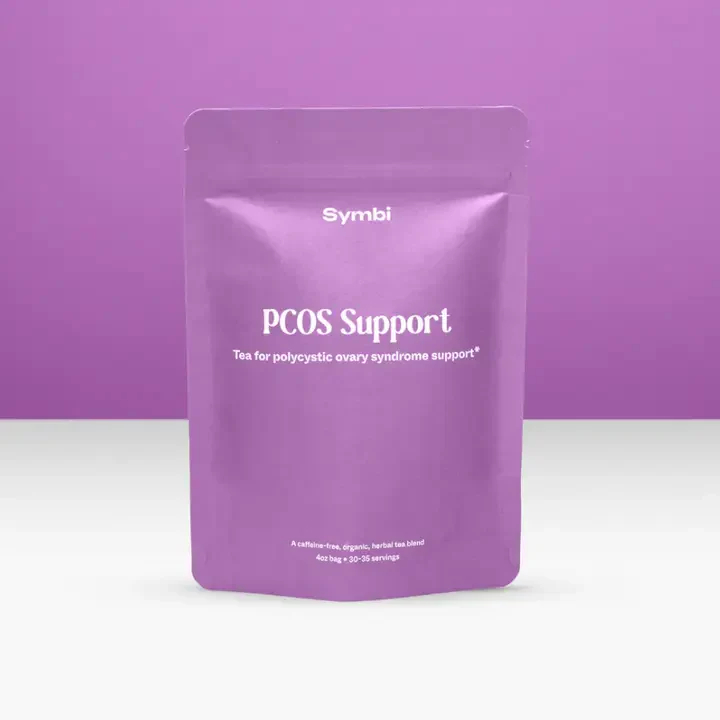
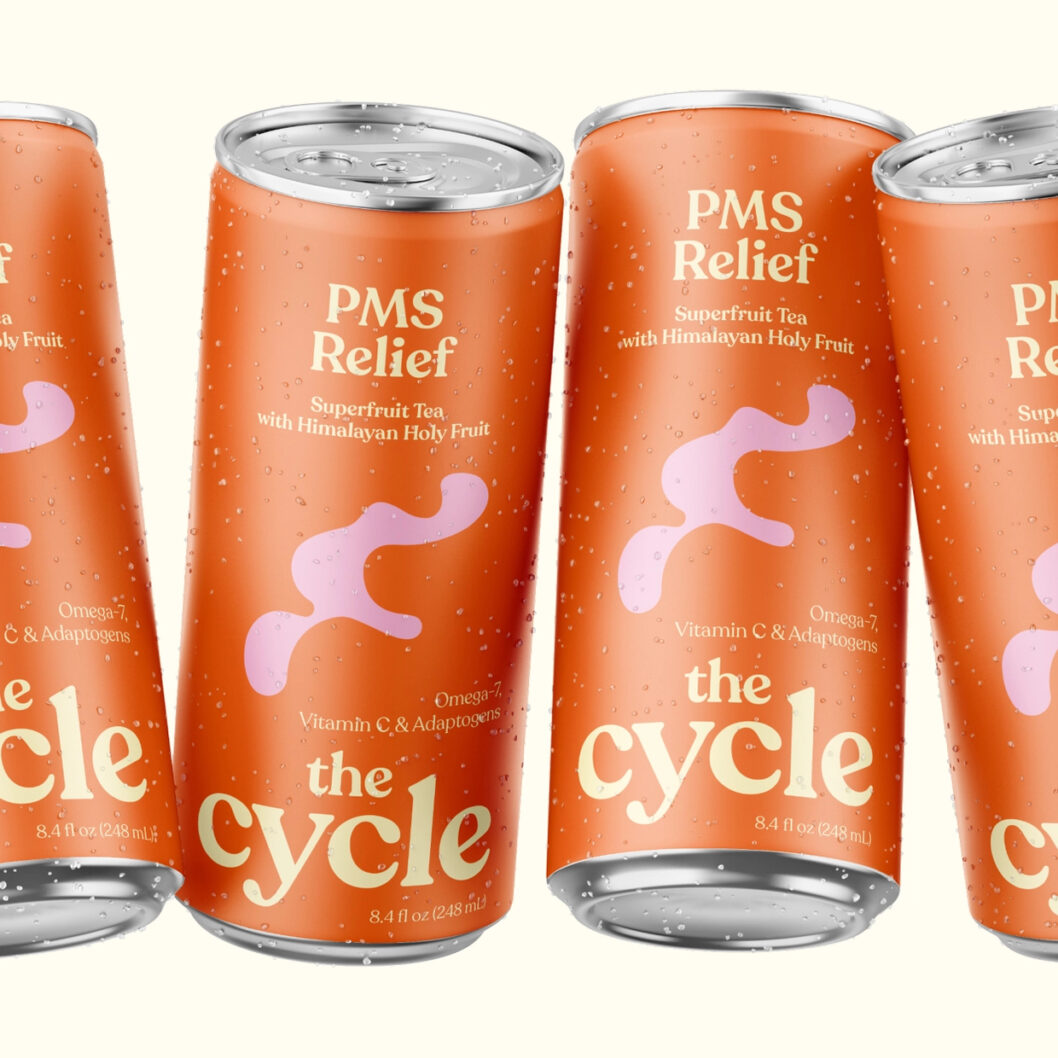
The Bona Dea Naturals marketplace now features products addressing often-overlooked issues: PCOS, endometriosis, hormonal balance, UTIs, incontinence, low libido, vaginal dryness, perimenopause, postpartum concerns, and menstrual health.
It’s a way to give women more options while creating “a more sustainable, community-driven business.”
Two years into this shift, Jessica’s online store is growing steadily. Customer engagement is deeper and more meaningful. While Amazon sales still account for the majority of her revenue, she’s steadily reducing her dependency and building something more sustainable: a brand that reflects her values and empowers a broader community.
A Decade of Lessons Learned
After nearly a decade of running Bona Dea Naturals, Jessica has strong opinions about what it really takes to succeed.
“If I had to give just one piece of advice, it would be this: resilience is everything,” she says. “After nearly a decade of running my business, I’ve realized that success doesn’t necessarily come down to having the best idea, the most funding, or even the perfect strategy. It comes down to your ability to keep going when things get hard—and they will get hard.”
There will be moments where you feel completely overwhelmed, like you don’t know what you’re doing, or like the next hurdle might be the one that breaks you. “And that’s exactly the moment when most people quit. That’s why so many businesses don’t make it—because it got too hard, and they decided they were done.”
But the ones who succeed? They push through. They figure it out. They fight for it.
Jessica admits that one of her biggest early weaknesses was taking everything personally. Because the business was so personal—born out of her own struggles—it felt like an extension of who she was. She took every negative review personally, resisted outside advice, and felt like she had to do everything herself because no one else could possibly understand it the way she did.
She’s still working on that. But she’s learned to separate herself from the business just enough to make better decisions.
On the product side, Jessica has always been adamant about balancing “natural” positioning with real efficacy. “I lead with results,” she says. “Yes, the ingredients are natural, but they’re also science-backed.”
She’s invested in clinical testing, like RIPT trials, to prove safety. And ultimately, thousands of detailed reviews speak louder than marketing ever could.
“Natural doesn’t mean ‘less effective’—it means effective without unnecessary chemicals.”
What’s Next For Bona Dea?
Today, Bona Dea Naturals has sold over 150,000 bottles worldwide. The brand has earned more than 8,000 five-star reviews on Amazon. What started as a desperate search for personal relief has turned into a thriving business helping thousands of women.
But Jessica’s vision goes beyond sales numbers.
“My vision is to build Bona Dea Naturals into the go-to destination for natural women’s wellness—not just a product brand, but a marketplace and community,” she says.
More broadly, she wants to help normalize the conversation around intimate health. “So that women no longer have to whisper about yeast infections or hormonal imbalances,” Jessica explains. “If we can replace stigma with science, honesty, and empowerment, we’ll have changed not just the marketplace, but the culture.”
It’s an ambitious goal. But if anyone can do it, it’s someone who spent months combing through medical journals with no science background, hand-bottled hundreds of units while working full-time, and refused to let Amazon’s algorithm or platform policies dictate how she talks about women’s health.
You can follow Bona Dea Naturals on Instagram or shop the full collection on their website and Etsy.
Key Takeaways
Did you read this piece looking for tips on how to grow your own business? Here are some things that stood out to me.
Start with your own pain point.
The best products often solve problems you’ve experienced yourself. Your authenticity shows through, and you understand your customer better than anyone else could.
Science-backed doesn’t mean pharmaceutical.
Invest in research and testing to prove natural ingredients work. Jessica spent months reviewing medical studies before formulating her first product, and she continues to invest in clinical testing like RIPT trials.
Don’t rely on a single sales channel.
Amazon taught Jessica that platform dependency is dangerous. One policy change, one listing removal, and your revenue can disappear overnight. Diversify early, build your own channels, and create stability outside any single platform.
Master the operational basics.
Tools and automation free you to focus on growth. For Jessica, investing in sales tax automation software was a game-changer that gave her back 8-10 hours every month. This ended up being time she could spend building the business instead of drowning in compliance.
Be clear in your messaging.
Women’s health is taboo and a lot of brands are tempted to use euphemisms for medical terms. But Jessica’s audience wanted (and needed and, frankly, deserved) accurate language. For Jessica, it was important to remind women they deserve clear, stigma-free information about their own bodies.
Resilience beats funding.
Most businesses fail because founders quit when it gets hard, not because they lacked resources. Success comes down to your ability to keep going when you feel overwhelmed, uncertain, or like the next hurdle might break you.
Build partnerships, not dependencies.
Whether it’s manufacturers or platforms, choose partners who align with your mission. Jessica learned that manufacturers aren’t just vendors. They’re partners in building something sustainable and scalable.